How to Buy the Right Used Sailboat
The right boat, the right paperwork and the right checks can save you a lot of money. Here’s what you need to inspect before buying a used sailboat.
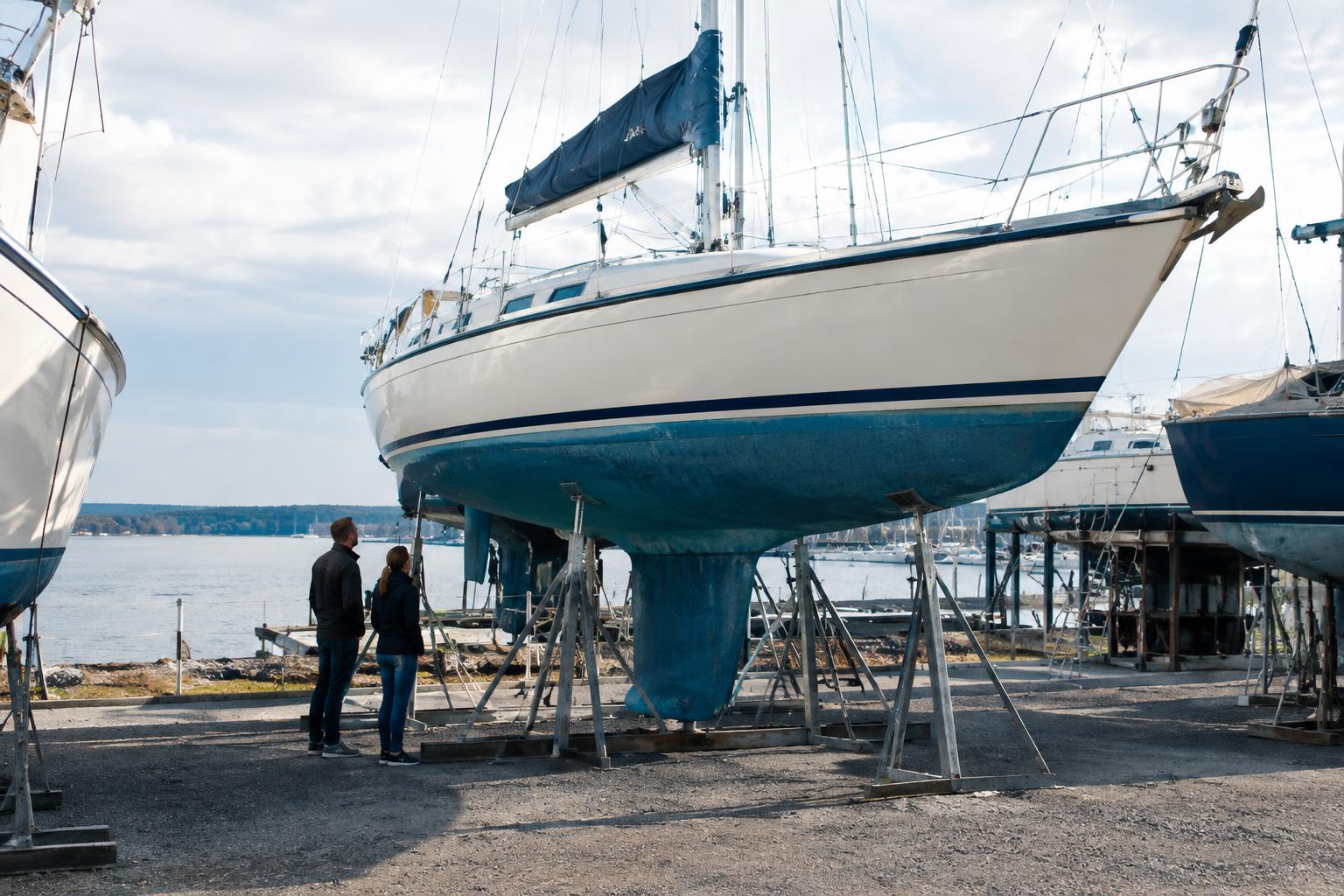
Start with the right boat for your needs
A used sailboat should suit both your sailing plans and your everyday needs. For a first boat, it’s especially important to consider how easy it is to handle, whether it can be sailed single-handed and how family-friendly the layout is. Spaciousness and good sailing performance don’t always go hand in hand, but there are compromises.
Older boats with long keels often ride smoothly in a seaway and may be better able to withstand groundings, while newer boats are generally wider, taller and faster. If you’re unsure about which model to choose, ask someone with sailboat expertise for help.
What could cost you most
Some checks are especially important because overlooking them can lead to major expenses. Look for osmosis, blisters in the laminate, moisture in the deck and hull, and damage around the keel attachment. On boats from the 1970s, moisture in a balsa-cored deck can be a problem.
The rig should also be inspected carefully. Standing rigging has a limited service life, and replacing the rig on a 30-footer can be a major expense. The engine is another potential problem area: start it cold and watch for difficulty starting or smoke.
Sails, through-hulls and seacocks also deserve extra attention. Worn sails put downward pressure on the price, and old through-hulls in the hull are a common cause of serious leaks.
Check the paperwork, ownership and contract
Before buying, review the service records for the boat and engine, the CE marking on boats built after 1998, and the hull and engine numbers. It’s also a good idea to compare the numbers with records of boats reported stolen.
When buying from a private seller, it’s especially important to make sure the seller has the right to sell the boat and that it isn’t subject to a loan. Whether you buy privately or through a dealer, draw up a detailed purchase agreement that clearly specifies what’s included and what warranties are provided.
When a survey is worth the cost
A thorough survey can be well worth the money, especially for more expensive boats. In that case, it’s wise to hire an experienced marine surveyor and agree in writing on what the inspection will cover. This reduces the risk of hidden defects leading to unexpected repair costs later.
More in Ownership & Maintenance
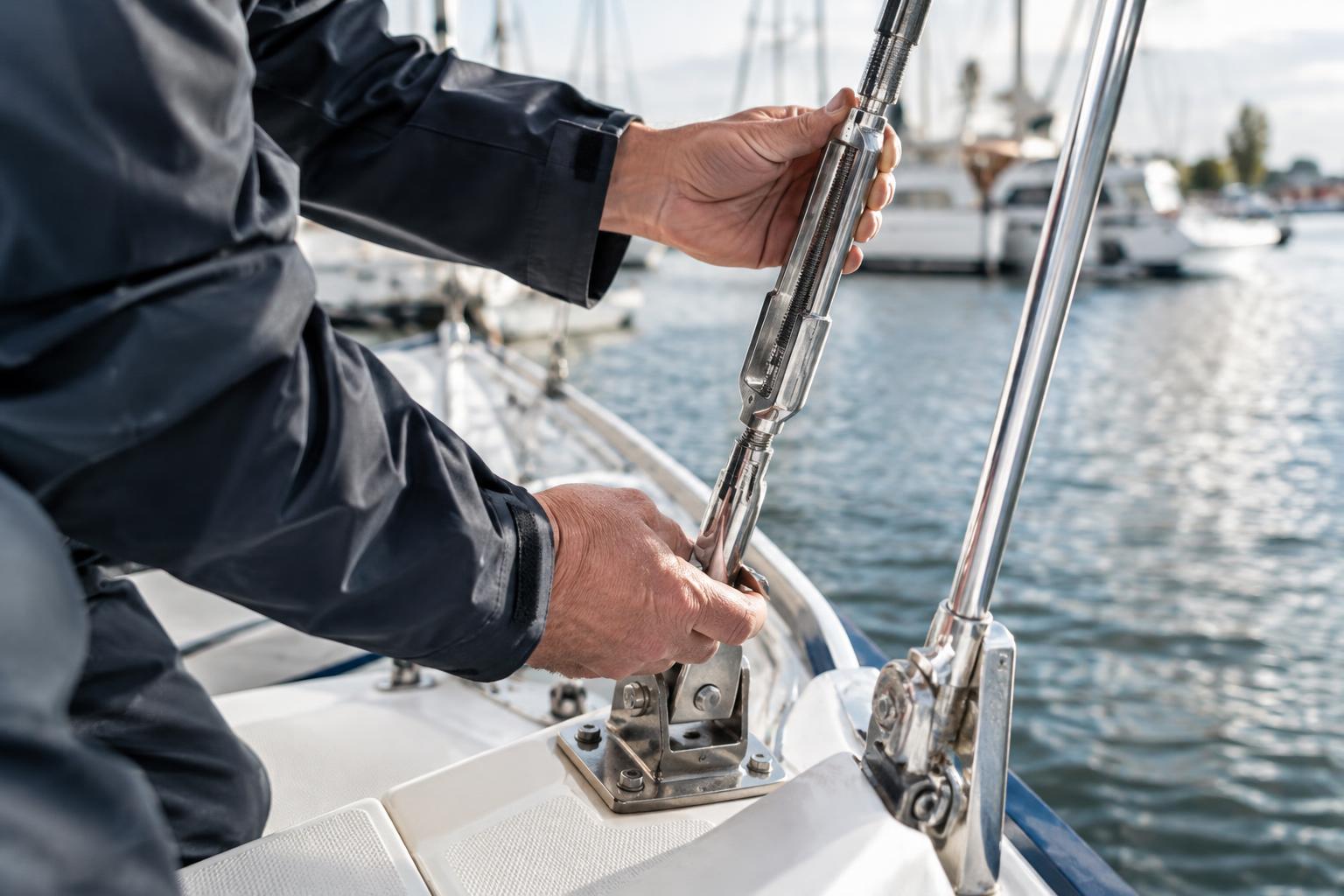
Standing rigging: the checkpoints that reveal hidden damage
A close inspection can reveal everything from broken strands to loose fittings. Here’s the line between routine checks and issues that call for a rigger or replacement.

Seldén launches CXe15 for smaller sailboats
The new CXe15 is an electric furling system for Code 0 sails and gennakers on boats up to around 35 feet. It is controlled from the cockpit and connects directly to the 12V system.

Oyster goes multihull with new C60 catamaran
After 50 years and 1,300 builds, Oyster presents its first sailing catamaran. The C60 is designed to combine a bluewater focus with more space and comfort.