Standing rigging: the checkpoints that reveal hidden damage
A close inspection can reveal everything from broken strands to loose fittings. Here’s the line between routine checks and issues that call for a rigger or replacement.
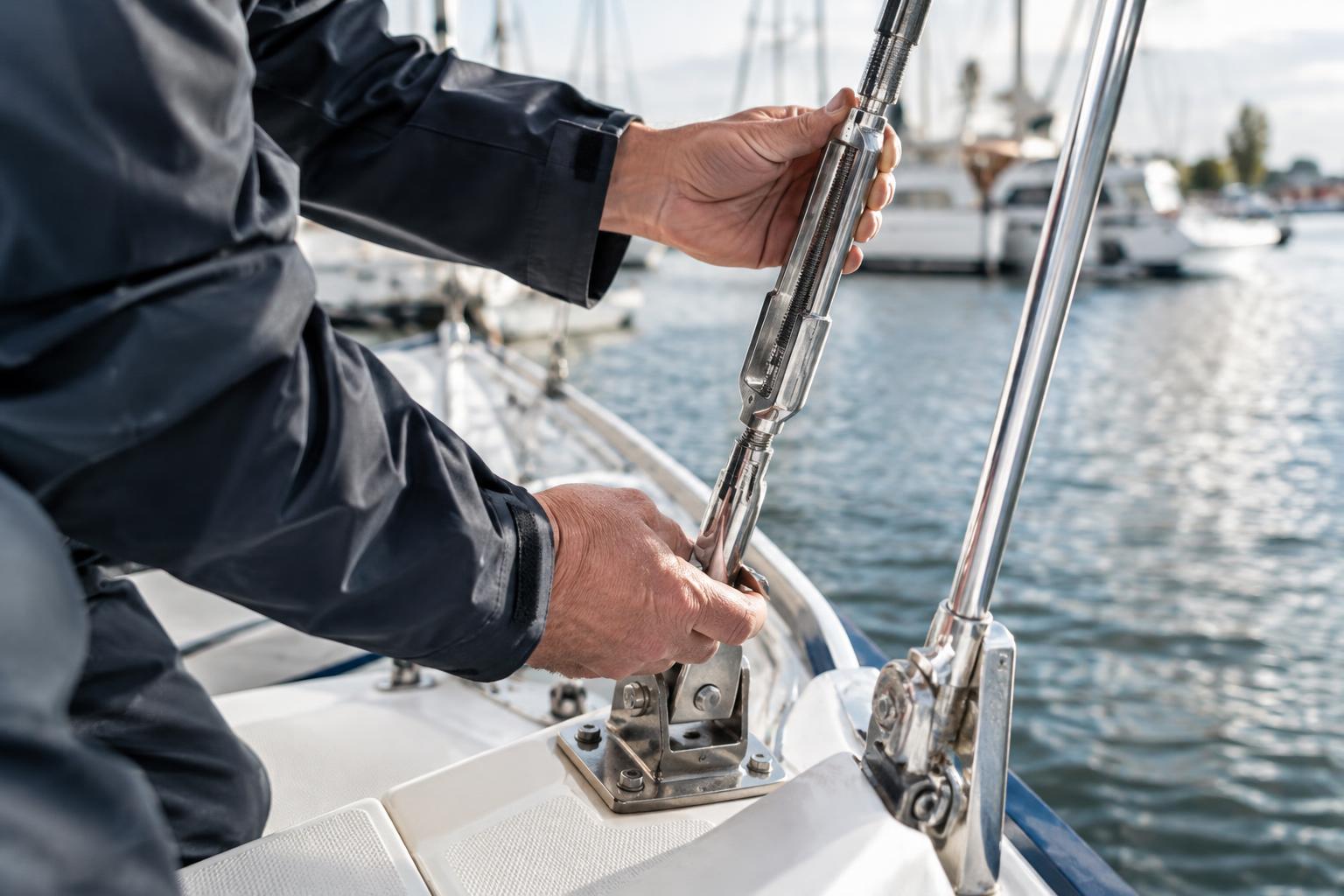
Start with the question: replace or inspect?
The standing rigging supports the entire mast, and it rarely fails without warning. Seldén recommends a thorough inspection every year and always before a long passage. The most important skill is distinguishing superficial wear from damage that actually affects strength. If you’re unsure about tuning, assessment or handling, it’s time to call in a rigger.
Damage that always means replacement
Broken strands are the clearest warning sign. One or more broken strands in a stay or shroud means the wire must be replaced. If the wire is part of a pair – for example, two lower shrouds – replace both, since the other has carried the same load.
The same clear rule applies to stainless-steel fittings: corrosion that has penetrated the surface and cannot be polished away means replacement. Deformed, cracked or otherwise defective wire terminals, toggles, extension links, turnbuckles, rigging pins and cotter pins should also be replaced.
A permanent bend in the mast section that cannot be tuned out is considered serious damage and calls for a new mast section or a new mast. Dents in the mast or boom section should be documented with their depth, extent and location, so the dealer or manufacturer can assess what needs to be done.
With the mast on trestles
When the mast is down and resting on trestles, you can carry out the parts of the inspection that cannot be done with the rig under tension. This is when Seldén specifies loosening the spreader tips, so you can check that no strands have broken where the wire passes over the tip. Do not loosen spreader fittings on a standing mast.
Wipe down the rig with a cloth and solvent, clean the turnbuckle threads and lubricate them with turnbuckle oil. The sheaves and locking arms in the boom gooseneck should move freely. Then work your way systematically over load-bearing fittings and cut-outs, checking for cracks, deformation, wear, play, poor fastening, corrosion and aged plastic. On a keel-stepped mast, pay particular attention to the area at deck level, checking for dents and cracks. On furling systems, the genoa halyard guide bracket is a known wear point; if it won’t last another season, replace it.
Carbon fibre and winter storage
Cracks in carbon-fibre products should always be repaired by a professional. The material is less tolerant of point loads than aluminium, and damage can spread without being visible.
If the mast stays up over winter, its position matters. Standing rigging that rests against the mast can cause corrosion between steel and aluminium, especially in a damp, salty environment. If the boat is ashore with the mast stepped, reduce the athwartships tension slightly to relieve the load on the hull – but no part of the rig must be slack, since slack rigging wears quickly.
Wire assembly: follow the manufacturer’s instructions
Mechanical terminals are assembled in several steps, each of which affects their strength. Seldén has its own instructions for wire assembly, and they should be followed step by step – including the use of thread-locking compound and checking the position of the strands – rather than relying on a shortened version. If you’re not familiar with the process, it’s a job for a rigger.
The mast and boom sections benefit from paraffin oil or silicone-free boat polish or wax, which seals the surface and preserves its shine.
The takeaway for boat owners
You can spot a lot with your own eyes and hands. But when strands break, sections bend or fittings crack, it’s no longer a cosmetic issue but a matter of rig safety – and replacement or a rigger is the right answer.
More in Ownership & Maintenance

Shore power and corrosion: the risks at the dock and the protection your boat needs
Shore power can link boats through the grounding conductor and cause electrically induced corrosion. Two solutions stand out: an isolation transformer or a diode isolator.
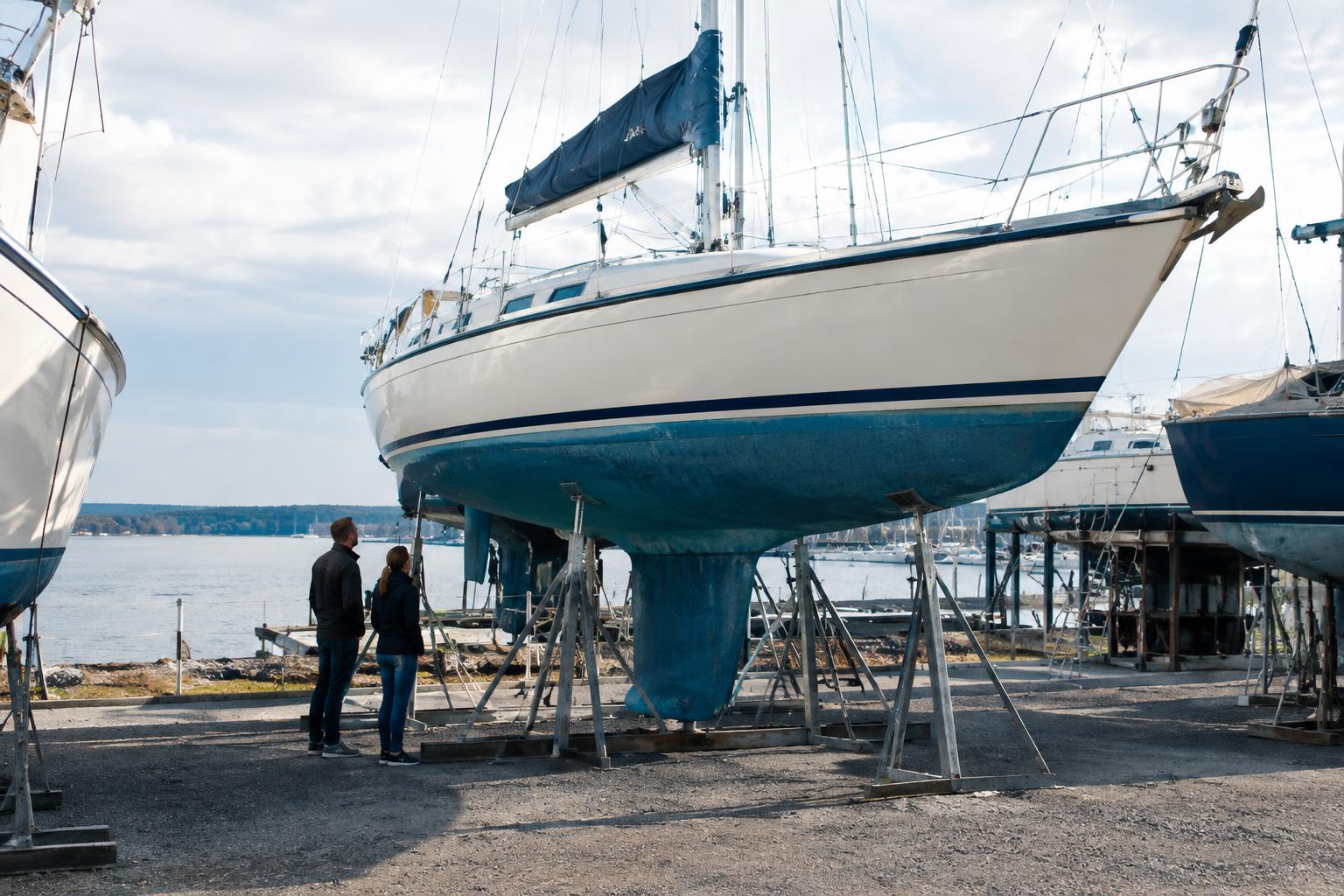
How to Buy the Right Used Sailboat
The right boat, the right paperwork and the right checks can save you a lot of money. Here’s what you need to inspect before buying a used sailboat.

Sea state and waves: plan the passage before leaving shelter
Short, steep seas develop when wind, opposing currents, shallow water and coastal features interact. Reading the signs before setting out can help you choose a route and timing with a greater margin of safety.