What the Xc47 shows in practice
A new X-Yachts Xc47 with Oceanvolt hybrid propulsion has covered 2,000 nautical miles on around 140 litres of diesel. The result says a lot about energy balance, range and everyday comfort on board.
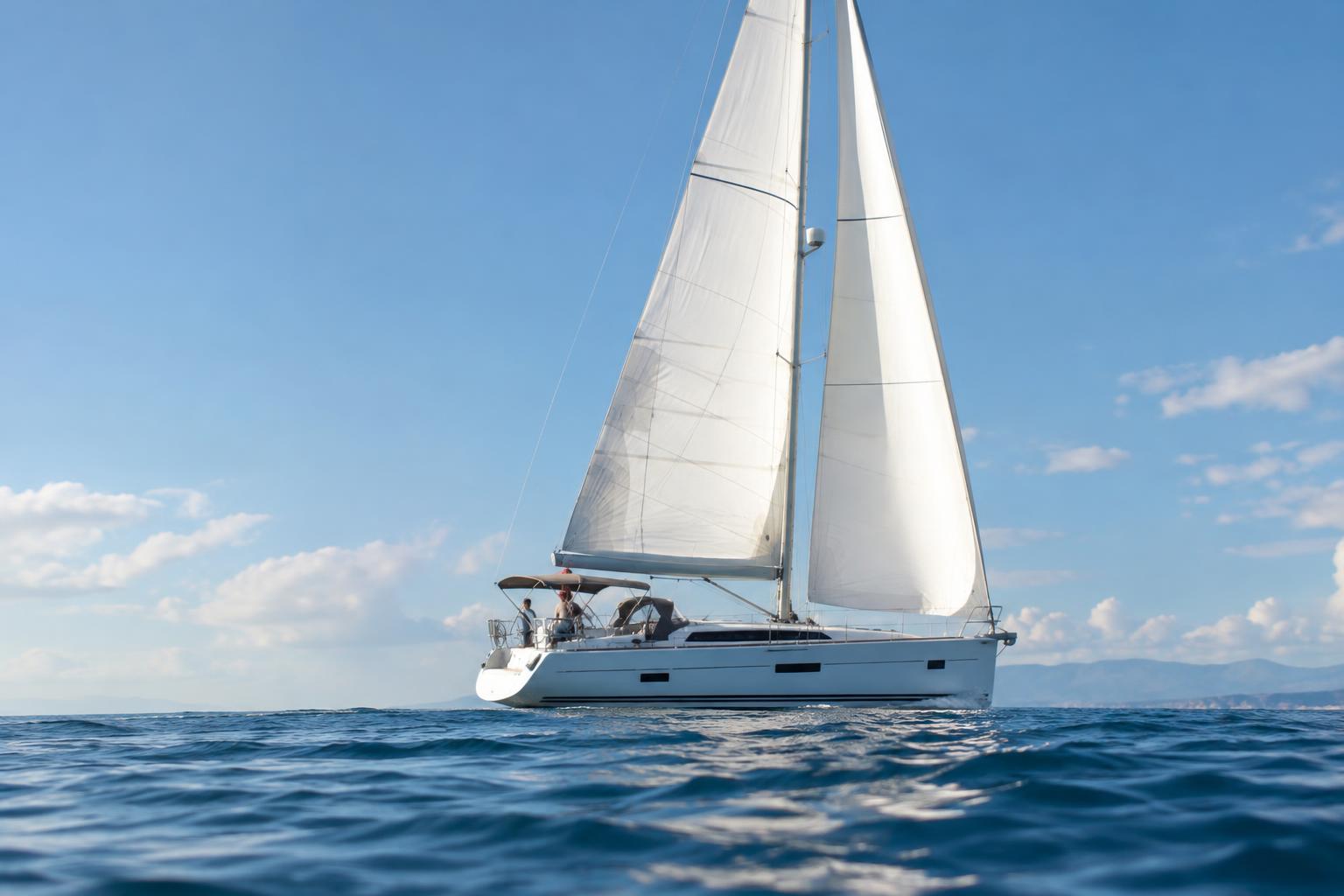
A cruising yacht that shows what hybrid can mean
The X-Yachts Xc47 is a clear example of how a larger sailboat with hybrid propulsion can work in practice. The boat in question is new, launched in 2023, and powered by Oceanvolt’s ServoProp 25 system. After around six months, it had covered about 2,000 nautical miles in seven countries—from Normandy via England and then through France, the Netherlands, Germany, Denmark and Sweden to Norway.
The most striking thing is the amount of fuel used. Over the entire period, the generator consumed around 140 litres of diesel. For boat owners, that is an important signal: hybrid propulsion is not just about short electric runs in harbour or manoeuvring at the dock, but about keeping energy in balance over long periods, across great distances and in varying waters.
The technology on board
The Xc47 is built by Danish company X-Yachts and has the following confirmed specifications: length 15.21 metres, beam 4.56 metres and displacement 14,500 kilos. The drivetrain is an Oceanvolt HighPower ServoProp 25 with a system output of 25/30 kW and a system voltage of 48 V. On board there is also a 46.4 kWh battery bank and an 11 kW DC generator.
The combination is the point. The battery bank provides quiet electric propulsion and a buffer for onboard consumption. The generator extends operation when energy demand increases or when the weather and sailing conditions are not enough to keep the battery bank charged. And when the boat is sailing, the system can also help recover energy. For a long-distance boat, this flexibility is what makes the difference between a solution that works in theory and one that holds together in everyday use.
What the voyage says about range and energy balance
The fact that the boat has completed six months, 2,000 nautical miles and seven countries with so little diesel consumption does not set an exact benchmark for other boats, but it does say something important about how a well-sized hybrid system can be used. The real question for anyone considering electric or hybrid propulsion is not just how far the boat can go on battery power, but how the entire energy chain works: charging, consumption, sailing, generator support and how often the engine actually needs to be used.
That is why examples like this are valuable. It is not about doing everything on electric power all the time, but about electric propulsion being part of a larger energy plan that still lets the boat feel safe on longer trips.
What boat owners need to check on their own boat
Anyone considering a similar solution should first assess their own use: actual onboard energy consumption, how charging works in different conditions and the role the generator plays on longer passages. It is also important to know how far the boat can go on electric power in the waters where it will actually be used, not just on an idealised sailing profile.
The owners say that quiet cruising, the ability to generate energy while sailing and the feeling of always having power on board are the most impressive aspects. They also note that questions and concerns about the new boat were quickly addressed by both X-Yachts and Oceanvolt. With advanced electric systems, this is a central part of ownership: the support network is not a detail, but part of the functionality.
A larger boat with electric power as an everyday tool
The Xc47 shows that electric propulsion on a cruising yacht is not just a technical gimmick. It can be a practical solution for long-distance cruising, provided the system is correctly sized and the overall energy picture is kept under control. The lesson for boat owners is simple: look beyond the motor’s output and consider how the batteries, generator and sailing work together when the boat has to function as a home for months at a time.
More in Engines & Technology
From 300 to 600 hp: how the outboard world has changed
Just a few years ago, 300 hp from a single outboard was a milestone. Now the top end reaches 600 hp, and two of the world’s eight most powerful engines are electric.
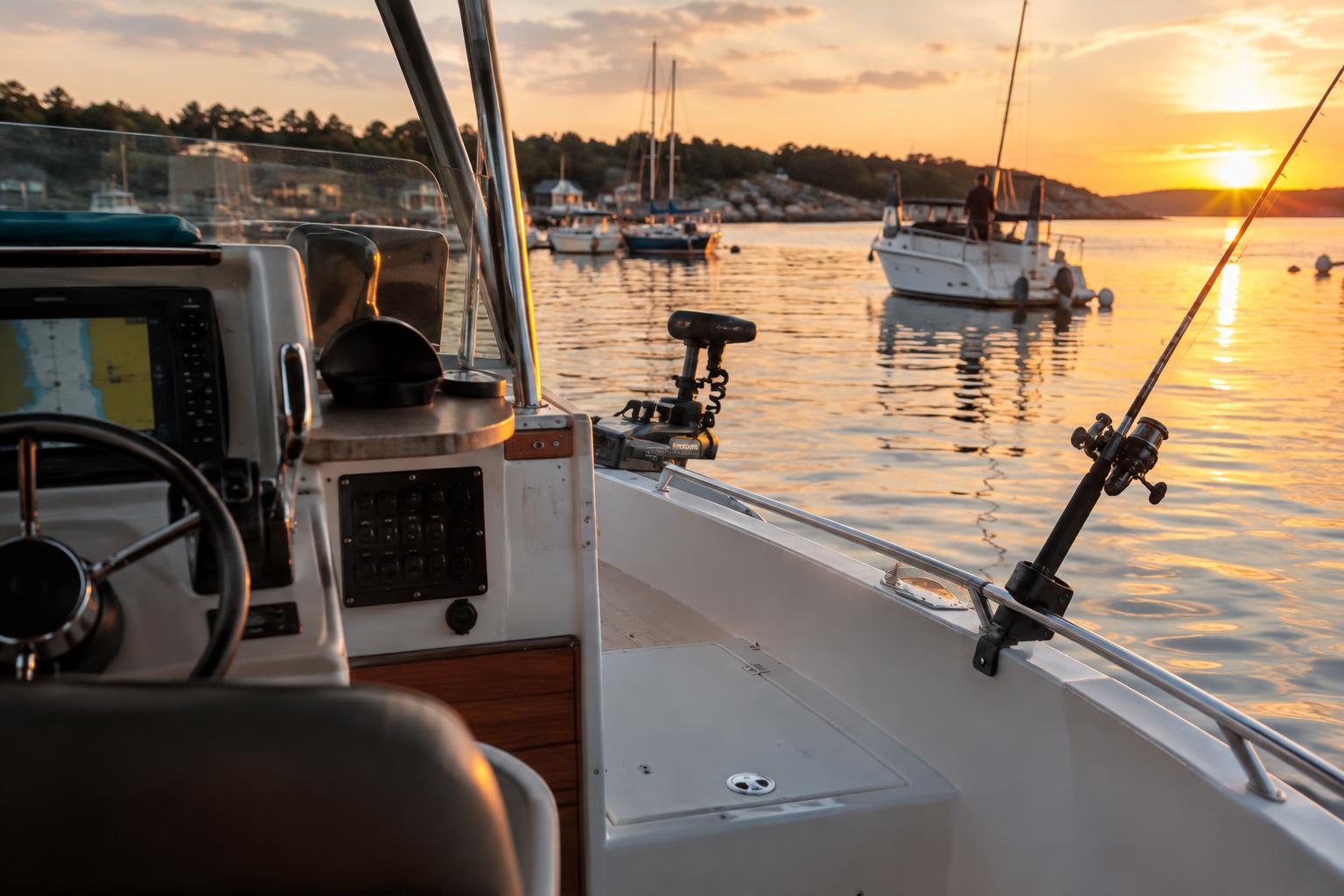
Electric Bow-Mounted Motor Becomes a New Tool for Boat Fishing
Boat fishing has changed in a short time. Electric bow-mounted motors have evolved from simple propulsion to quiet aids for positioning and control.
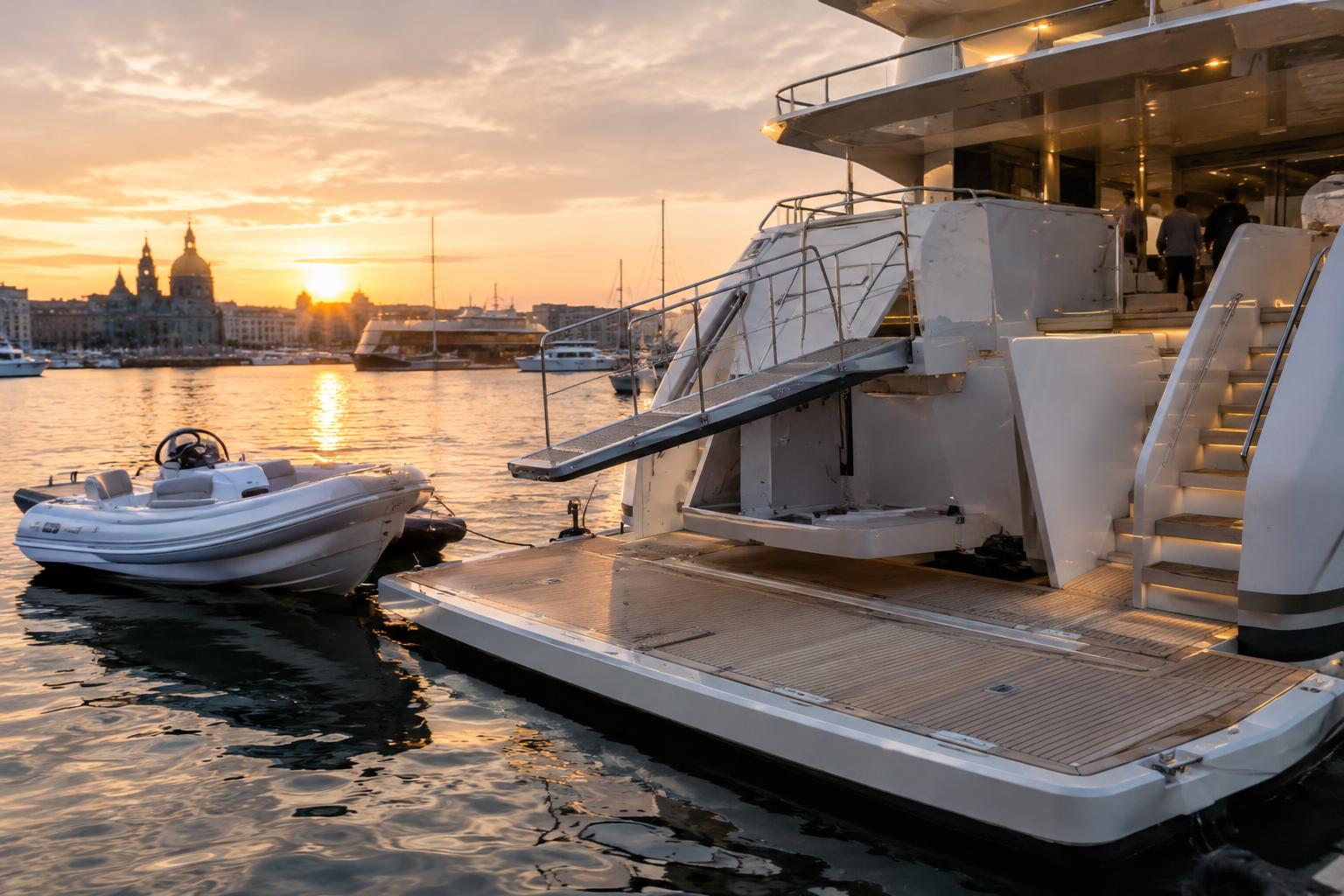
GB Mec presents EvoDeck 48V at METSTRADE in Amsterdam
The Italian manufacturer is using Amsterdam for the world premiere of EvoDeck 48V, a fully electric 48 VDC platform for the yacht and superyacht market.