From 300 to 600 hp: how the outboard world has changed
Just a few years ago, 300 hp from a single outboard was a milestone. Now the top end reaches 600 hp, and two of the world’s eight most powerful engines are electric.
The power that moved the goalposts
Just a few years ago, 300 hp from a single outboard was enough to turn heads. Today, the market has moved up to levels reaching 600 hp. That says a lot about how quickly the outboard world has changed.
For boat owners, it’s more than a number in a brochure. More power makes larger, faster and heavier boats possible, but it also affects how the boat needs to be built, how weight is distributed and how the drivetrain is managed in practice.
The technological shift at the top
The latest outboards are described as true feats of engineering. That’s an apt way to put it in a segment where raw power is no longer enough as a selling point.
As power levels rise, so too do the sophistication of the controls, the integration between engine and boat, and the demands of installation and servicing. For the user, that means choosing an engine is no longer just about horsepower, but about how well the package works with the hull, intended use and the owner’s own ambitions.
This is where the difference between chasing performance and getting real value becomes clear. An extreme outboard may be right for a large, heavy or speed-oriented boat, but on a boat not designed for that level of power, the technology can quickly become more complex than the user can benefit from.
Eight engines at the top – two of them electric
The starting point for this look at the market is a survey of the world’s eight most powerful outboard engines. Two of them are electric, an important sign that extreme performance is no longer the preserve of internal-combustion engines. At the top of the power scale is the Mercury Verado 600 hp, which the manufacturer describes as a 7.6-liter V12.
That shift says something about the direction of the market. Electric propulsion has made its way all the way into the top segment, alongside the most powerful conventional options. For boat owners, this means the choice is no longer just between different gasoline engines, but between drivetrains that can differ both in design and in how they are used.
What to check before going for maximum power
The big question isn’t how much power is available to buy, but whether the boat can really use it properly. The hull’s construction, weight distribution, transom capacity and intended use determine whether extreme power is an advantage or simply a burden.
Before making such a purchase, everything related to compatibility, mounting and sizing must be checked against the manufacturers’ documentation for both the boat and the engine. This is especially important when considering very high power, where small variations in specification or installation can have a major impact on the overall package.
That’s why the top segment isn’t just about power. It’s about ensuring the entire boat package can handle it.
More in Engines & Technology
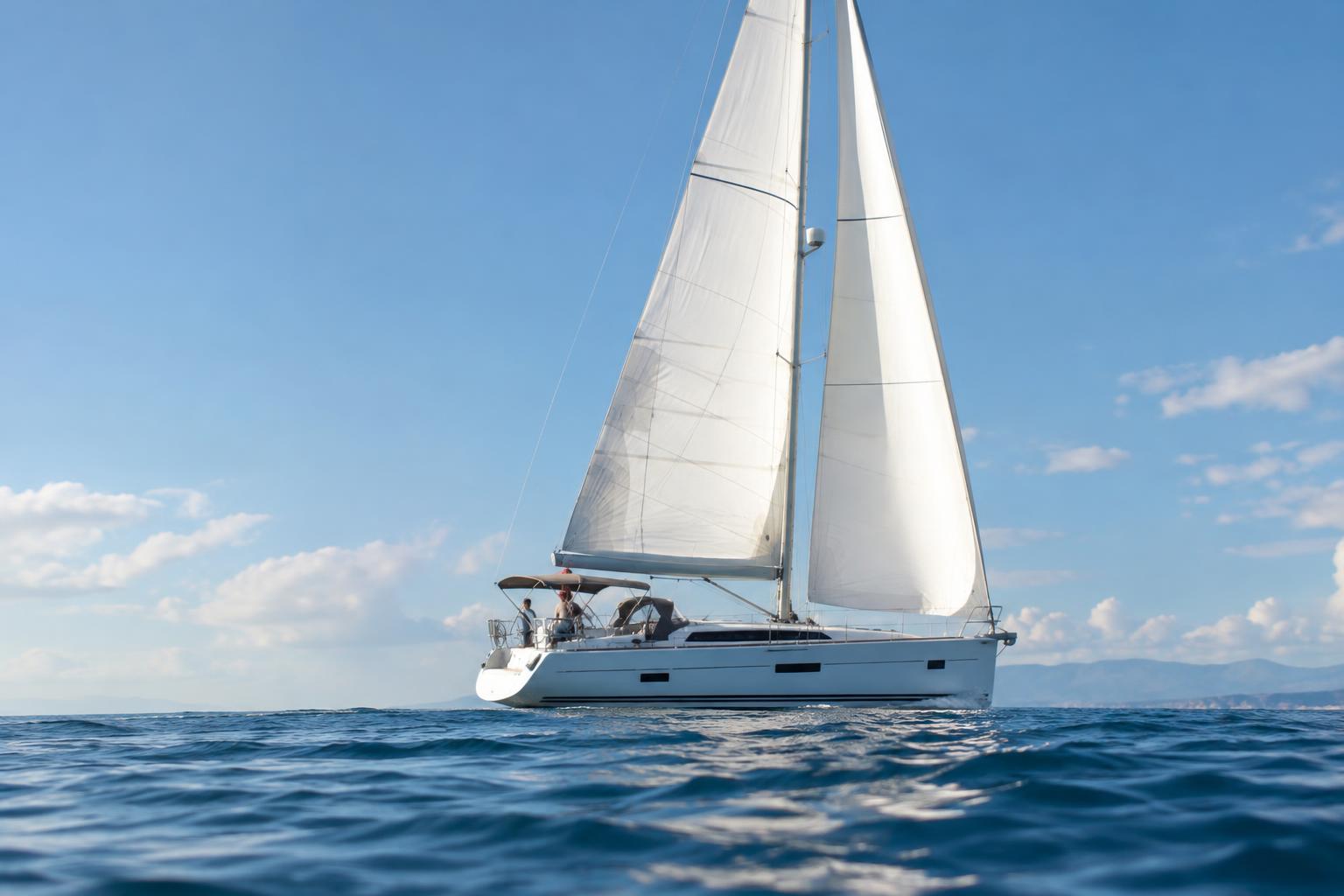
What the Xc47 shows in practice
A new X-Yachts Xc47 with Oceanvolt hybrid propulsion has covered 2,000 nautical miles on around 140 litres of diesel. The result says a lot about energy balance, range and everyday comfort on board.
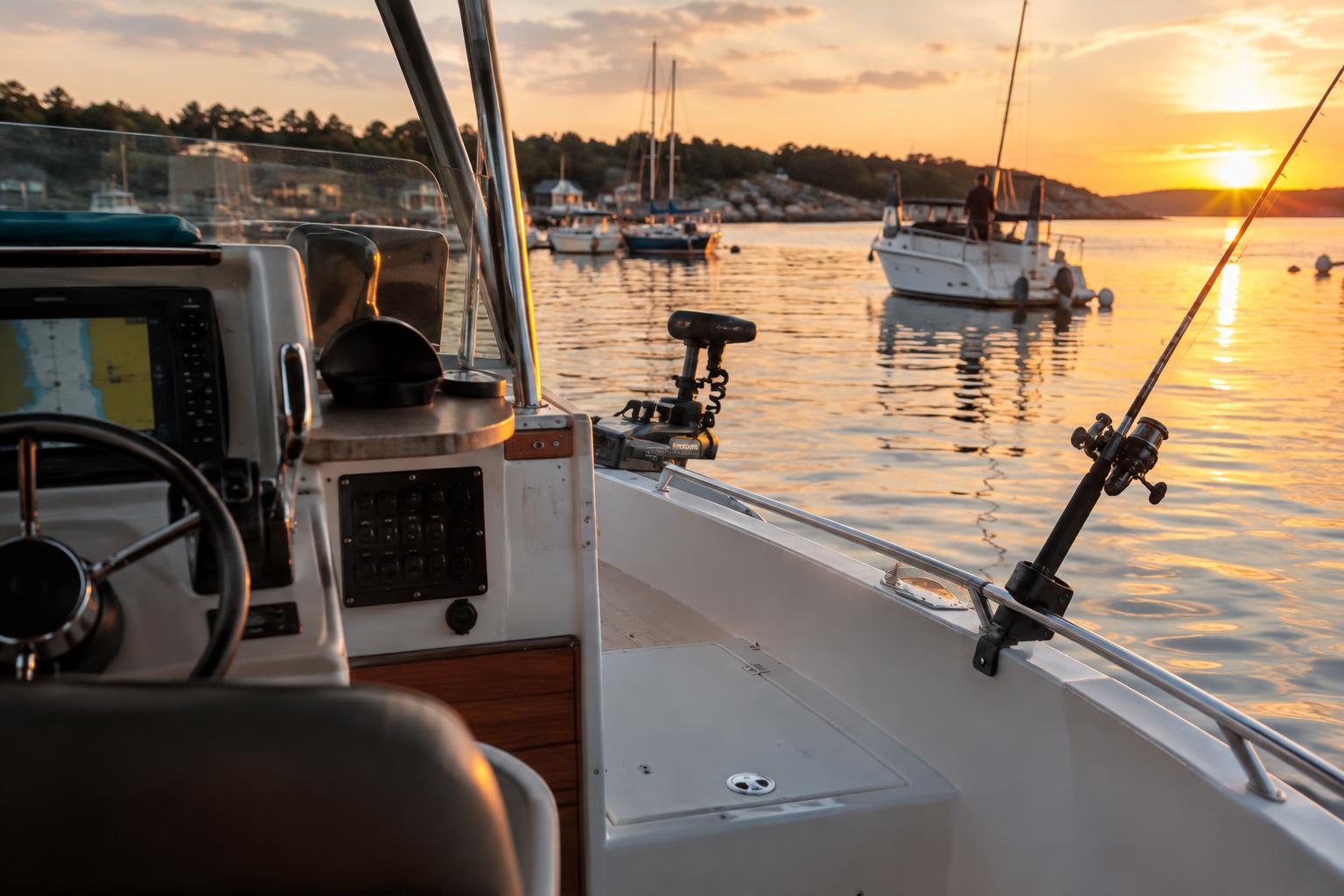
Electric Bow-Mounted Motor Becomes a New Tool for Boat Fishing
Boat fishing has changed in a short time. Electric bow-mounted motors have evolved from simple propulsion to quiet aids for positioning and control.
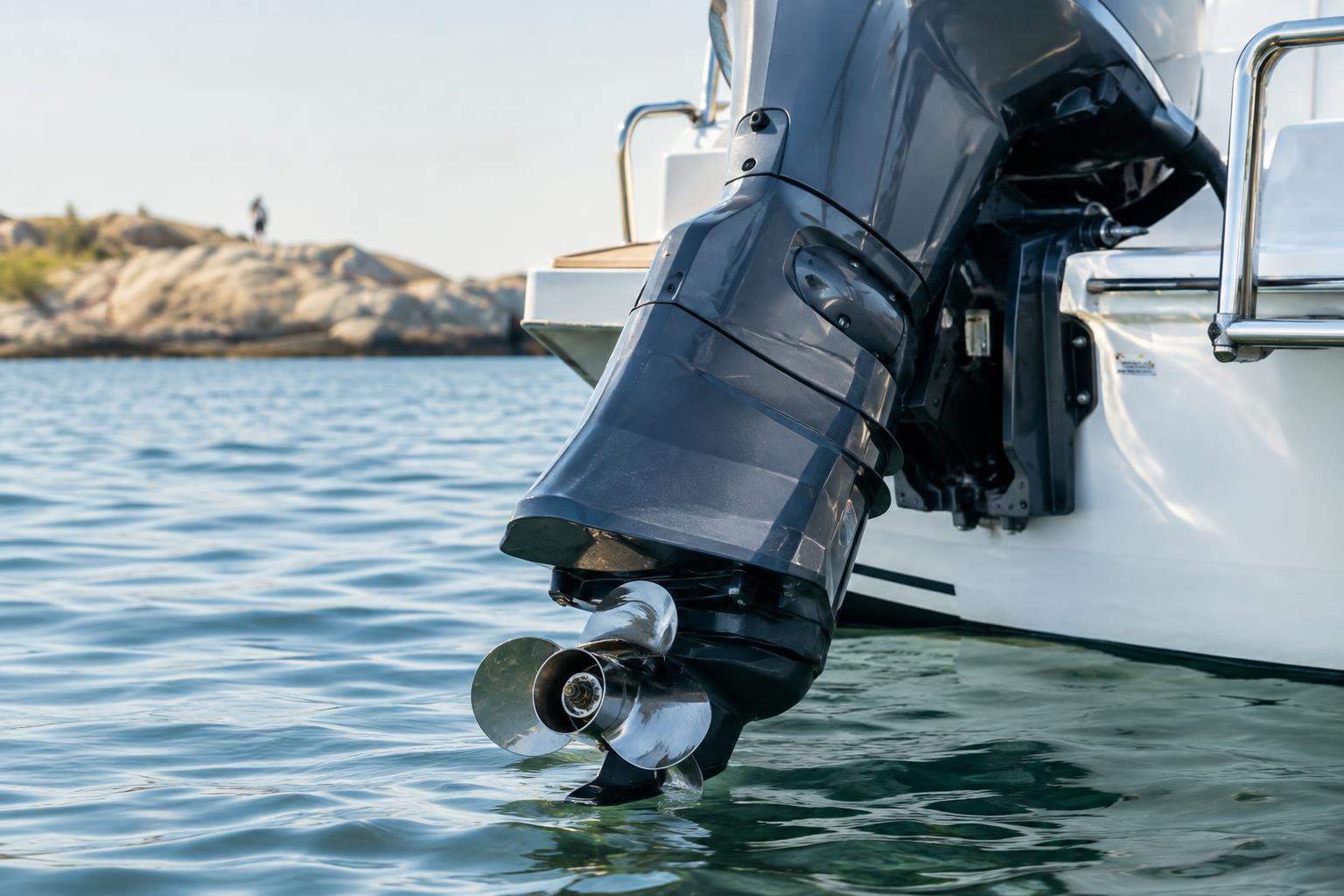
A spare propeller can get you home after running aground
After a minor grounding, a damaged propeller can bring your trip to a halt. Carrying a spare propeller, the right small parts and simple tools increases your chances of getting home or reaching a boatyard without drama.