How it is decided which antifouling paint can be used
The right paint depends on where the boat is moored, what type of paint it is and whether the product is approved. In the Bothnian Bay and inland waters, no biocidal paints are approved.
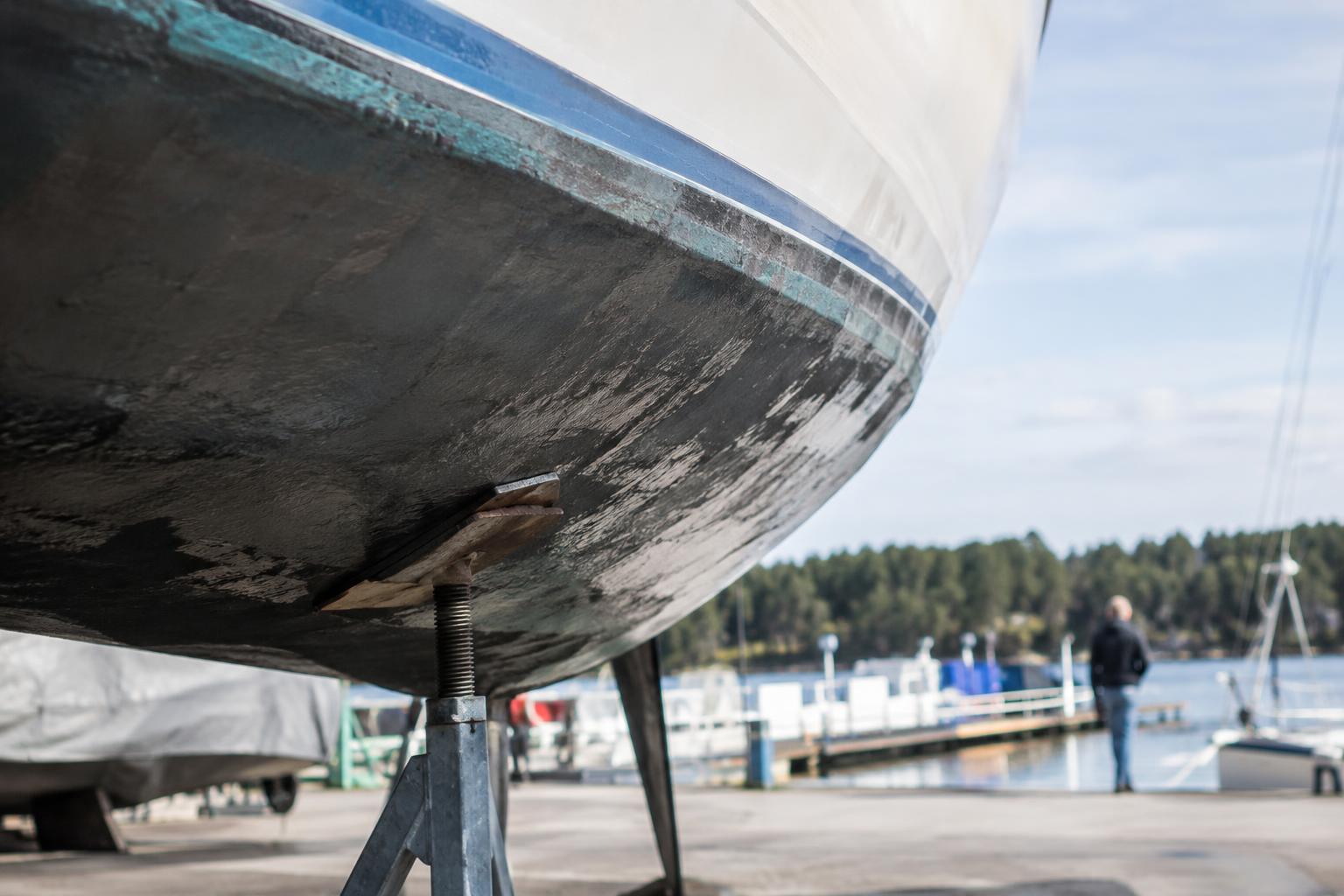
The rules depend on where the boat is moored
Antifouling paint is not simply a matter of choice. For recreational boats, the main mooring location determines which paints may be used, and in some waters there are no approved biocide-containing alternatives at all. This applies mainly to the Bothnian Bay north of Örskär and to inland waters, where only biocide-free paints that work by physical means are permitted.
Conditions differ on the east and west coasts. Approval depends on how sensitive the environment is, what fouling is like and how severe it is locally. For recreational boats, approved paints may also be restricted to boats weighing more than 200 kilos and to clearly specified stretches of coast.
Chemically active paints require approval
Paints that prevent fouling through chemical or biological action are classified as biocidal products. They must be approved by the Swedish Chemicals Agency before they can be sold or used in Sweden. This does not apply, however, to paints that work only by physical means, for example through a surface texture or a coating that comes off mechanically.
Approval does not mean that a paint is environmentally friendly. Copper-based substances are among the most common active ingredients in antifouling paint, and they leach into the water. The general duty of care under the Swedish Environmental Code therefore also applies when a boat owner paints the bottom of their boat.
Old paint layers can still be a problem
Older paints may contain tributyltin, TBT, which has been banned for recreational boats since 1989. Even so, the substance can still enter the environment from old paint layers. This means that boat owners and boat clubs need to manage such layers in a way that stops further release.
For anyone who wants to use antifouling paint, the main rule is simple: start with where the boat is actually moored, check that the product is approved for that specific use, and distinguish between biocidal paints and paints that work only by physical means.
More in Ownership & Maintenance
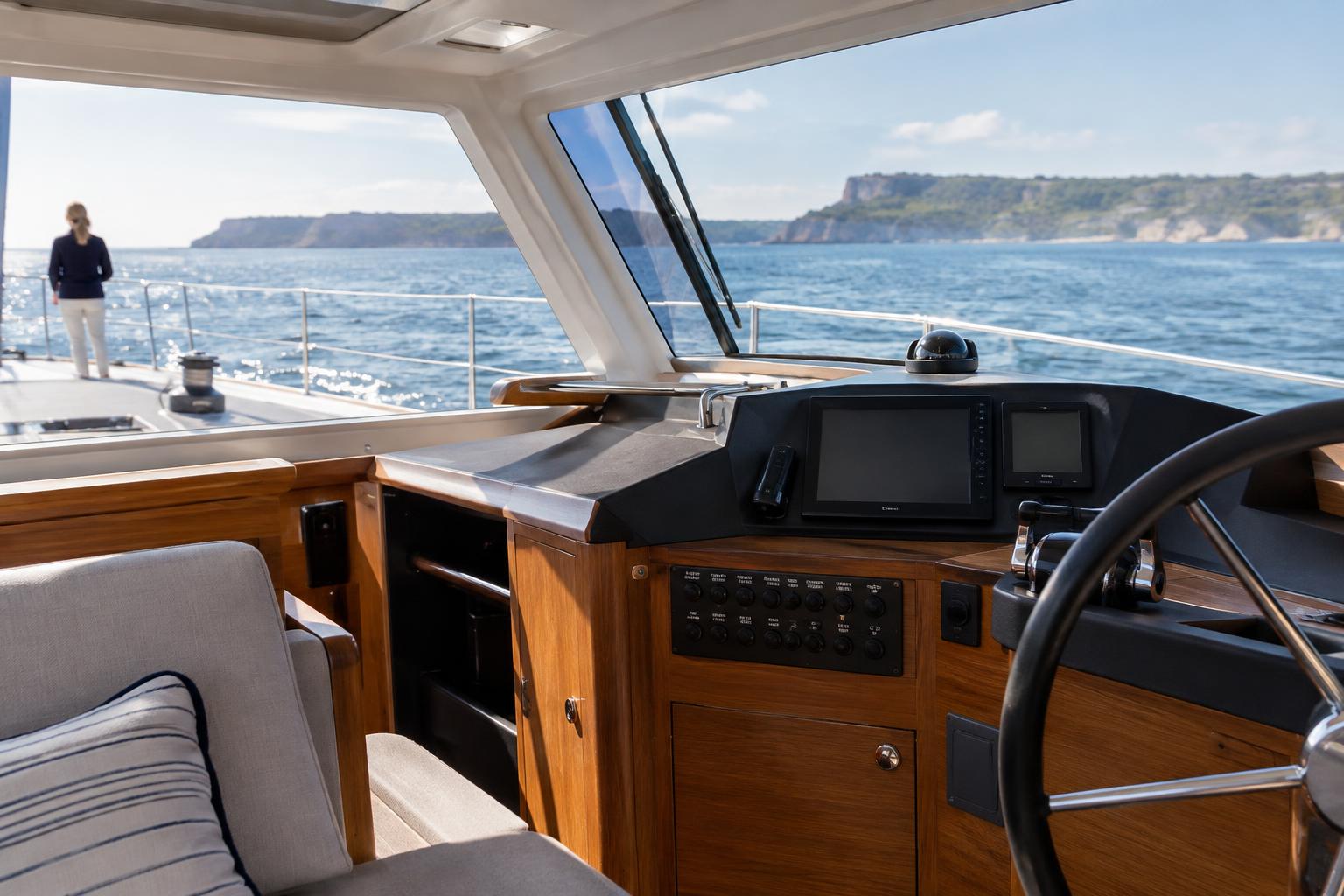
ExploMar showcases 400 hp concept in Amsterdam
The Shanghai-based electric propulsion specialist offers a first look at an upcoming 400 hp outboard at Metstrade and highlights the step from 100 to 300 hp in its current range.
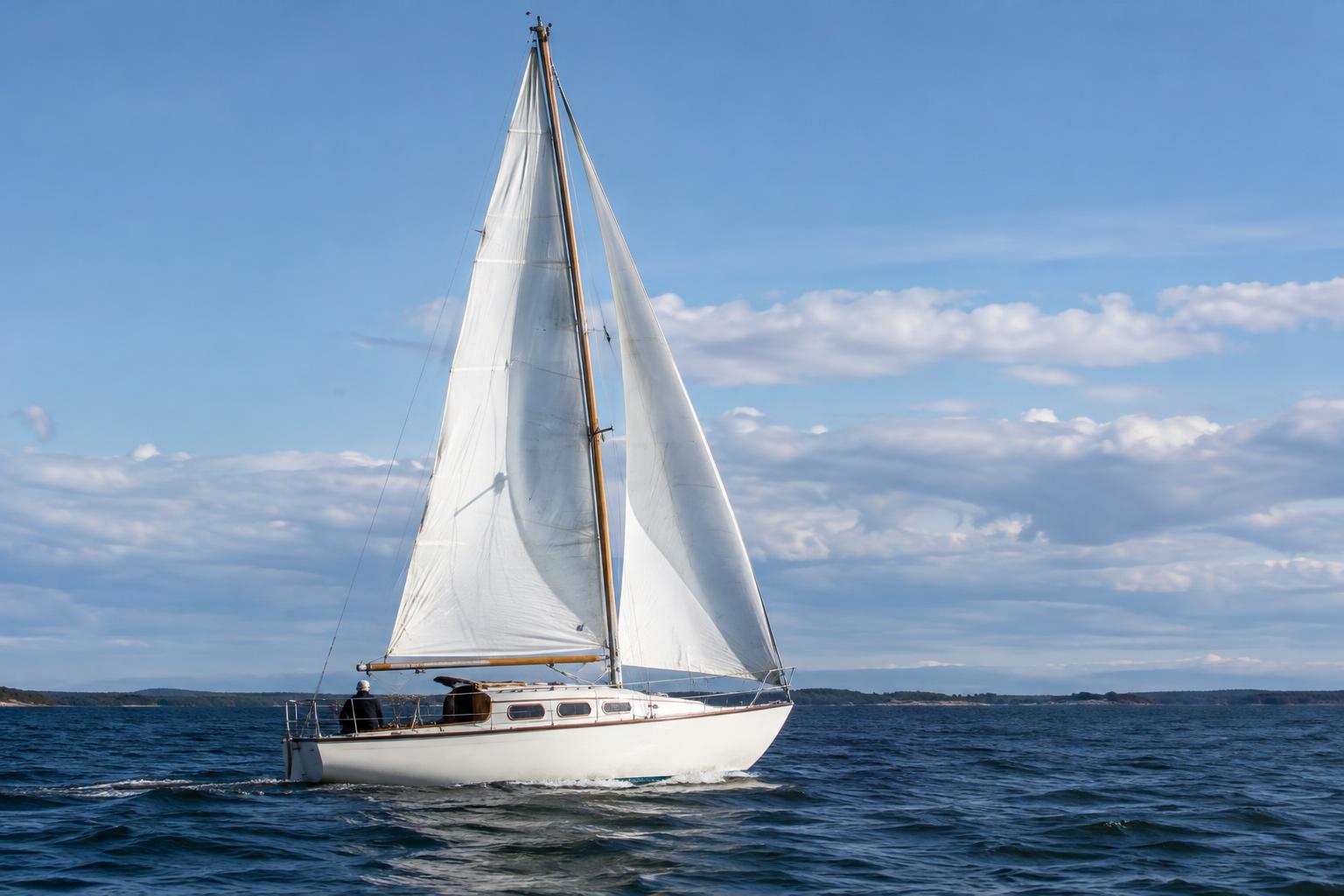
Albin Vega: the fiberglass boat that became Sweden’s people’s boat
From Per Brohäll’s commission in 1964 to the museum boat TERTIA: Albin Vega became one of the great Swedish family cruisers of the 1960s and remains a popular classic.
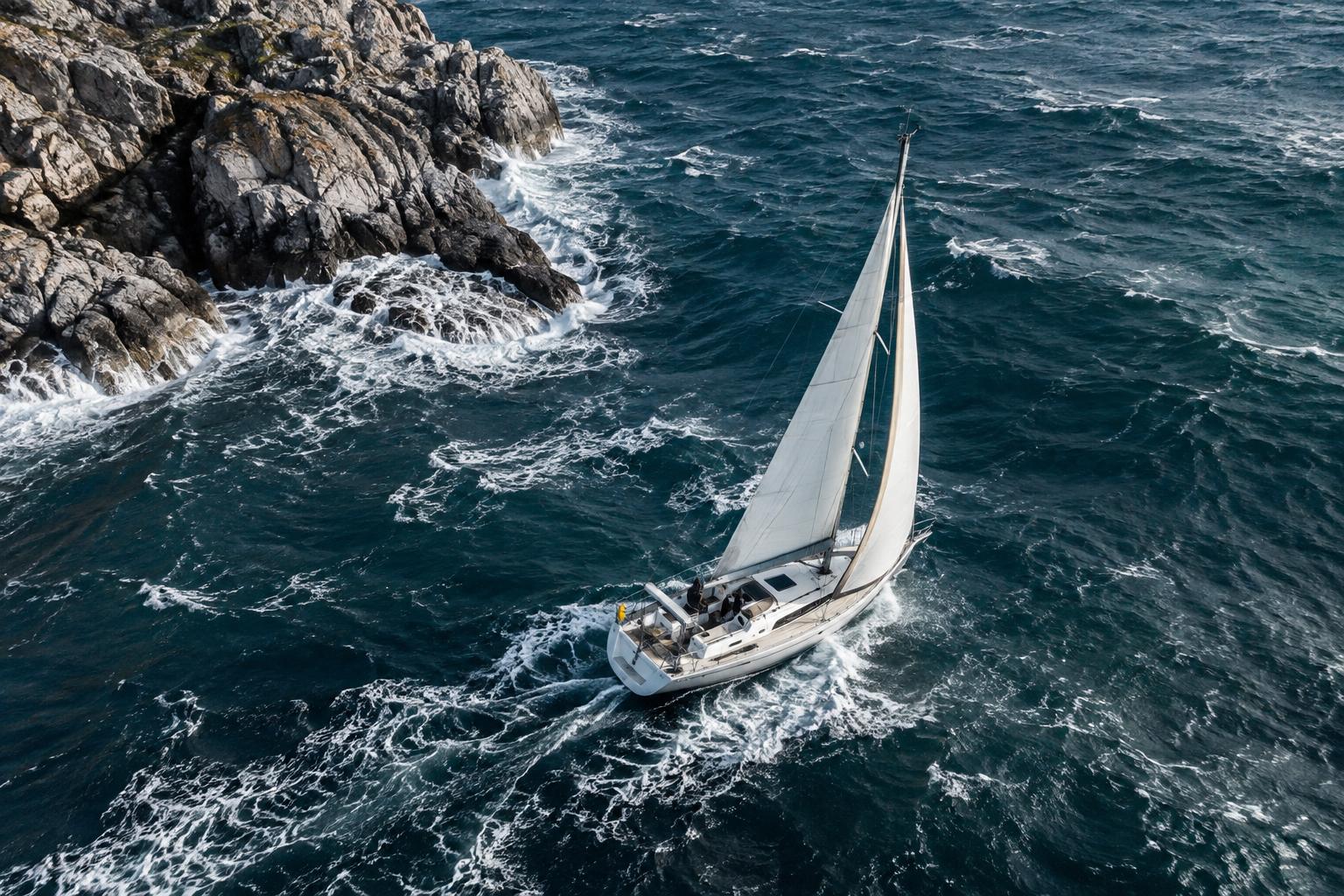
Sea state and waves: plan the passage before leaving shelter
Short, steep seas develop when wind, opposing currents, shallow water and coastal features interact. Reading the signs before setting out can help you choose a route and timing with a greater margin of safety.