Sea state and waves: plan the passage before leaving shelter
Short, steep seas develop when wind, opposing currents, shallow water and coastal features interact. Reading the signs before setting out can help you choose a route and timing with a greater margin of safety.

What builds up the sea
Wind strength alone does not determine how rough a passage will be. Fetch—the distance over which the wind blows uninterrupted across the water—and the length of time the wind has been blowing combine to build larger waves. A brief gale after a calm period therefore often produces less sea than the same wind after several days.
When seas become short and steep
When waves meet an opposing current, they become shorter, steeper and higher. The same thing happens in shallow water, where the seabed slows the waves. Headlands, banks, uneven seabeds and reflecting cliffs can also create confused, crossing seas, even when the wind does not seem extreme. In these areas, an otherwise comfortable passage can become unpleasant.
What you can work out before setting out
Read the sea forecasts, check the data buoys and study pressure charts for the area. Together, they give you a picture of where wind fields, swell and weather systems are building troublesome seas. Where wind meets current around a headland, it pays to keep well clear, and in heavy seas shoals and banks should be avoided.
Swell that can fool the eye
A bay that looks sheltered on the chart may be reached by long-period swell rolling in from a direction that is not obvious on site. The calm anchorage can therefore be much more exposed to motion than expected. When choosing an overnight anchorage, check the swell direction in the forecast, not just the wind direction.
The bottom line
Good passage planning is as much about where and when the sea builds as it is about how hard the wind is blowing. Choosing a route and timing based on current, depth and swell often makes for a safer and more comfortable passage.
More in Ownership & Maintenance
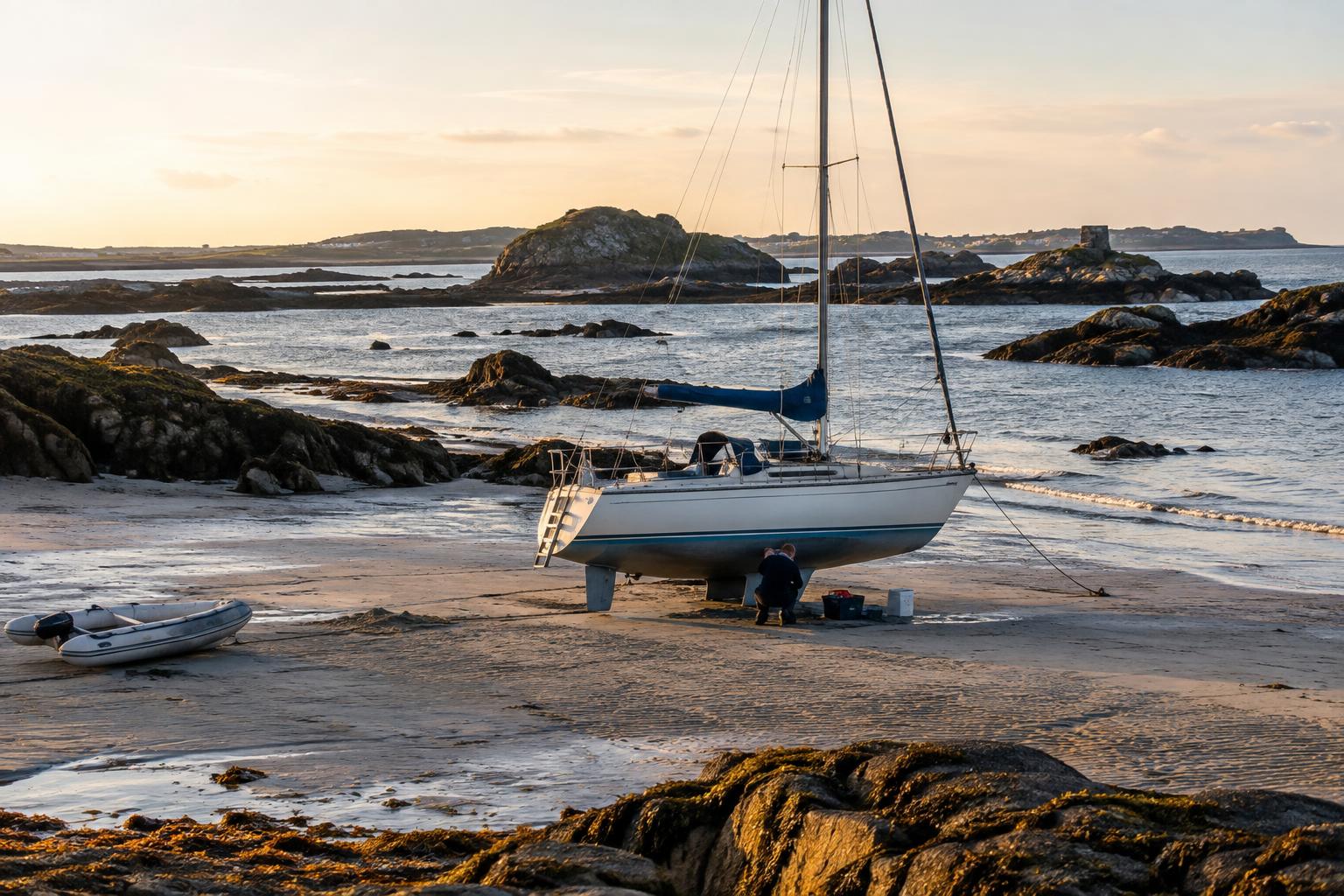
Scilly rewards boats that can dry out—but only with the right planning
The Isles of Scilly offer more possibilities for boats with shallow draught, a lifting keel or daggerboards. The key is to read the tide, wind, swell and seabed in the right order.
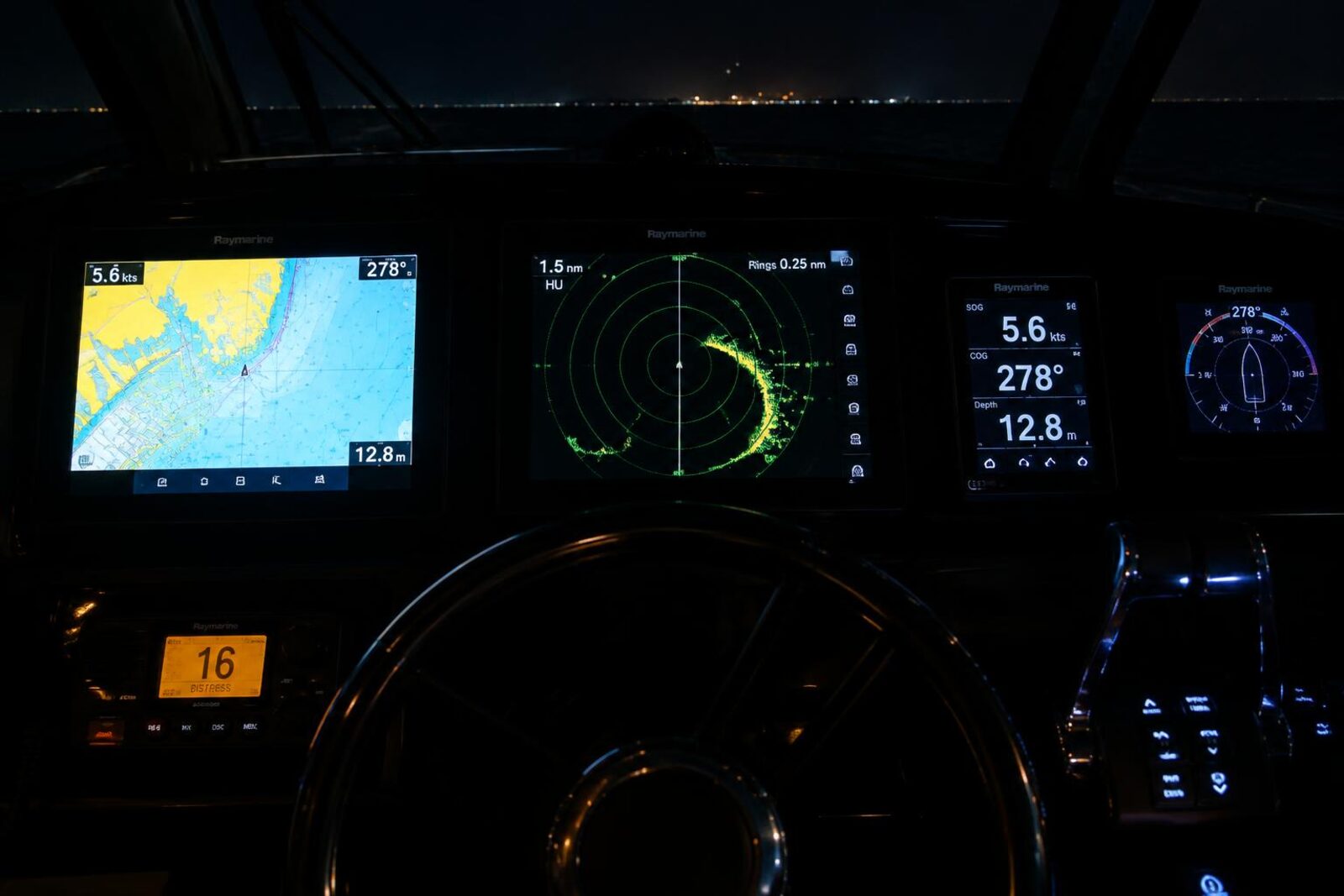
Swedish Maritime Administration begins delivering S-101 – the next step for electronic charts
The first S-100 products are leaving the Swedish Maritime Administration. S-101 will replace S-57, with the aim of covering all of Sweden in the format by year-end.
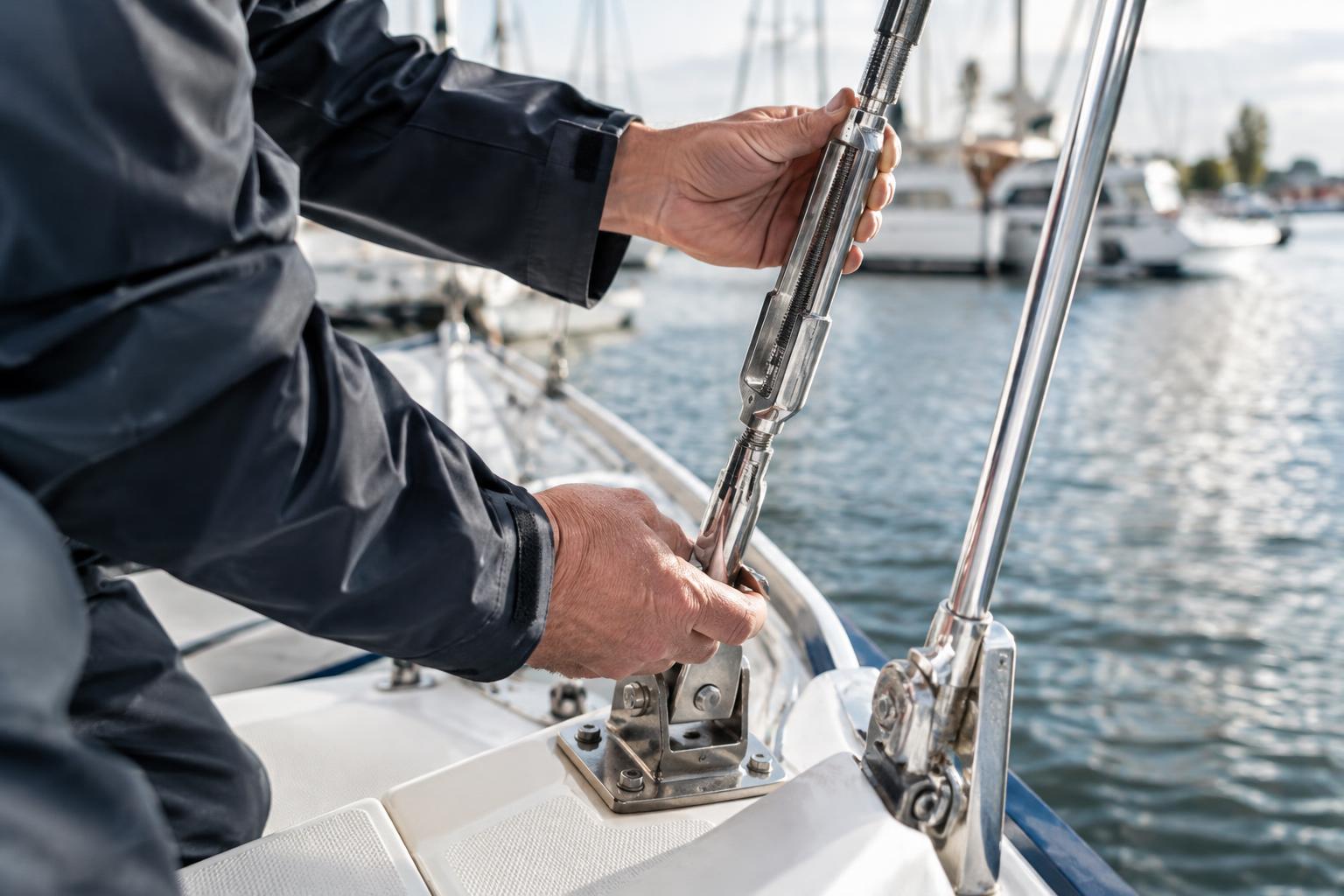
Standing rigging: the checkpoints that reveal hidden damage
A close inspection can reveal everything from broken strands to loose fittings. Here’s the line between routine checks and issues that call for a rigger or replacement.