A spare propeller can get you home after running aground
After a minor grounding, a damaged propeller can bring your trip to a halt. Carrying a spare propeller, the right small parts and simple tools increases your chances of getting home or reaching a boatyard without drama.
Check for damage before continuing
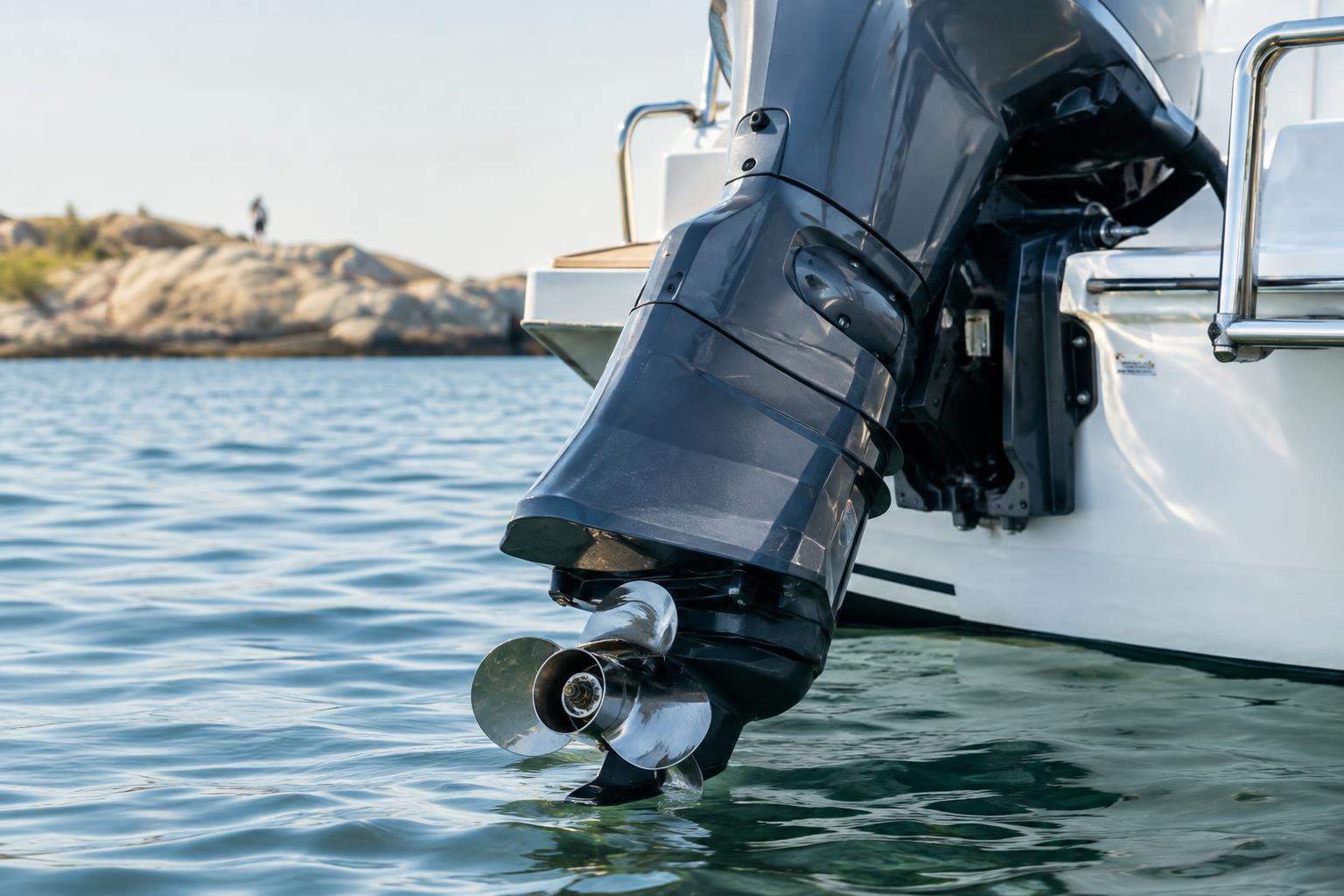
A minor grounding can cause more than just marks on the skeg. The propeller blades may have been damaged, so the propeller should always be inspected before restarting the engine.
The first step is to tilt the engine up so the propeller is visible. Then check every blade. If the damage is limited to the skeg and the propeller is undamaged, you may sometimes be able to continue home. But if the gearcase is leaking oil, the boat should be anchored and a tow requested.
A spare propeller: an inexpensive lifeline
A spare propeller on board can mean the difference between a boat stuck in place and a chance to get home to the nearest boatyard or your home marina. For anyone looking to keep costs down, aluminium is the most affordable option, if one is available for the engine.
Aluminium is often standard on outboards up to 100 horsepower. It is a less expensive choice, but also a material that is generally more easily damaged than steel. Steel is about five times stronger and is usually fitted to engines rated at 115 horsepower and above. At the same time, aluminium also works perfectly well as a spare propeller for those engines.
Small parts that make a big difference
It is not just the propeller itself that is worth carrying as a spare. A propeller nut, washers and cotter pin can also be crucial if something needs replacing after an impact.
Some propellers also have a hub in the propeller hub, which means you need the right replacement part and the right tool to remove the damaged propeller. On smaller engines, an adjustable wrench or slip-joint pliers may be enough. For larger engines, a socket wrench is a better choice.
Preparation determines how quickly you can get moving again
The point of carrying a spare propeller is not to replace caution, but to provide a practical way home when a grounding has already happened. With the right propeller, spare parts and basic tools on board, you reduce the risk of a minor incident turning into costly downtime.
More in Boats & Yachts
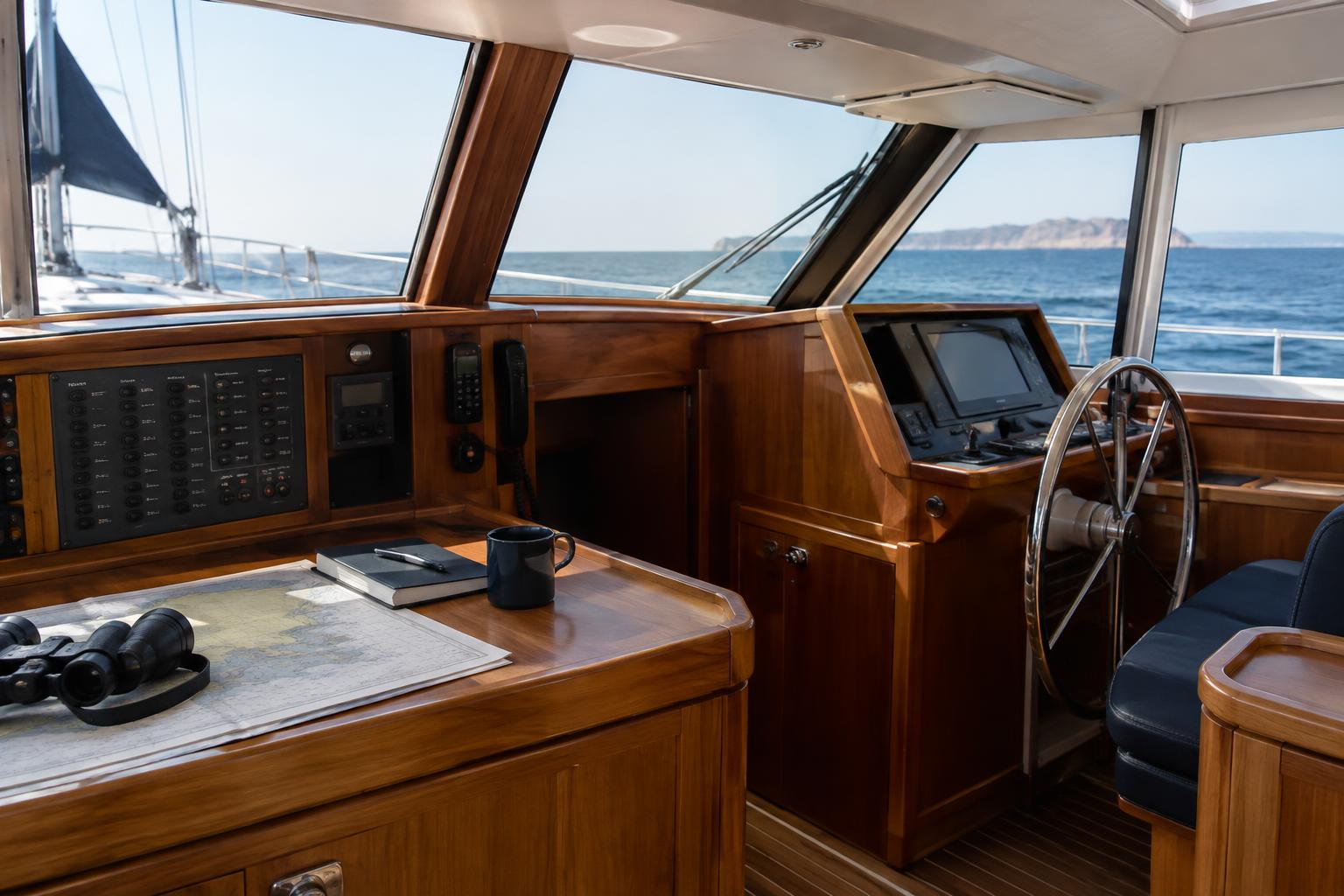
From 300 to 600 hp: how the outboard world has changed
Just a few years ago, 300 hp from a single outboard was a milestone. Now the top end reaches 600 hp, and two of the world’s eight most powerful engines are electric.

Scilly rewards boats that can dry out—but only with the right planning
The Isles of Scilly offer more possibilities for boats with shallow draught, a lifting keel or daggerboards. The key is to read the tide, wind, swell and seabed in the right order.
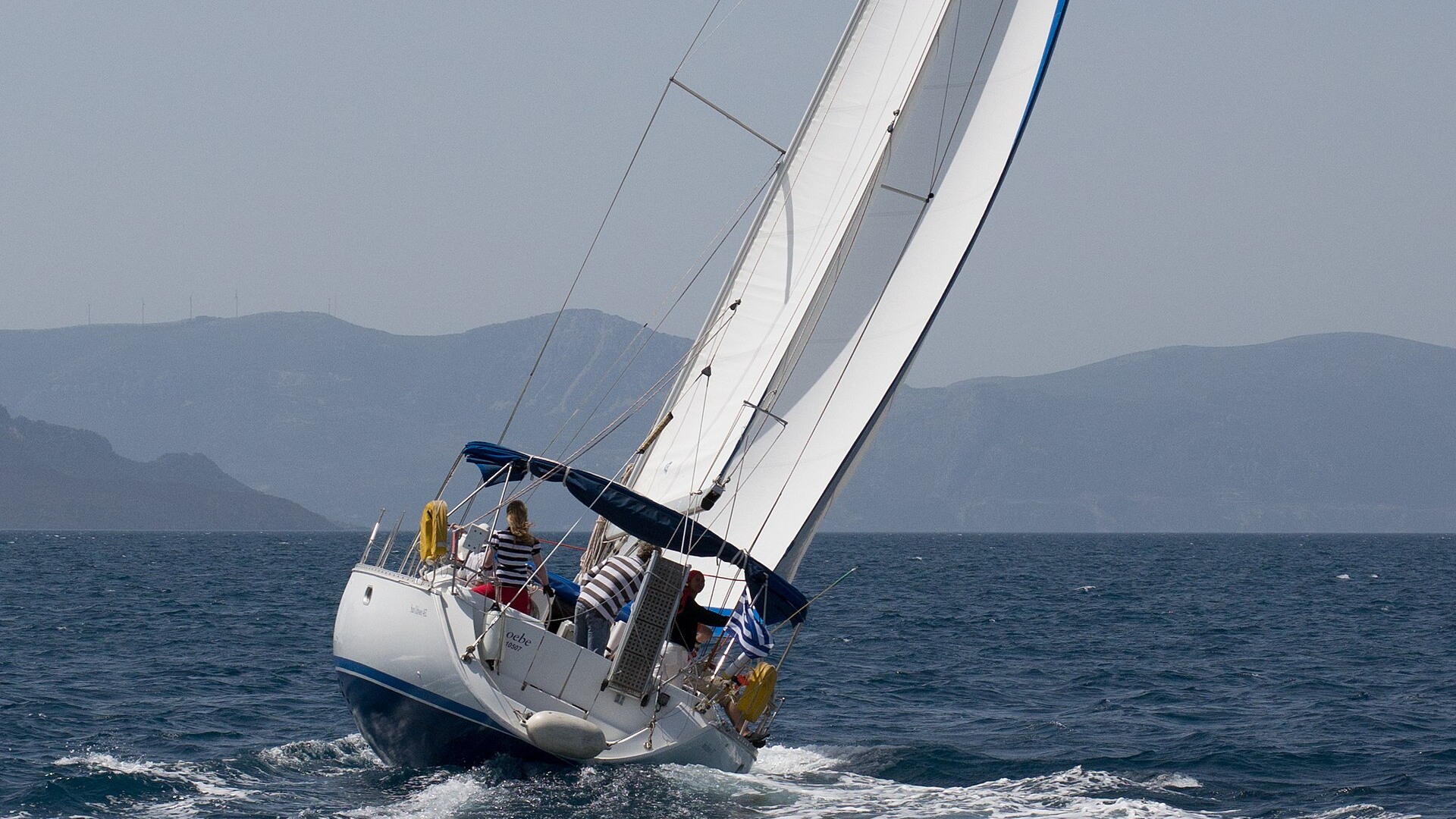
Seldén launches CXe15 for smaller sailboats
The new CXe15 is an electric furling system for Code 0 sails and gennakers on boats up to around 35 feet. It is controlled from the cockpit and connects directly to the 12V system.