Shore power and corrosion: the risks at the dock and the protection your boat needs
Shore power can link boats through the grounding conductor and cause electrically induced corrosion. Two solutions stand out: an isolation transformer or a diode isolator.
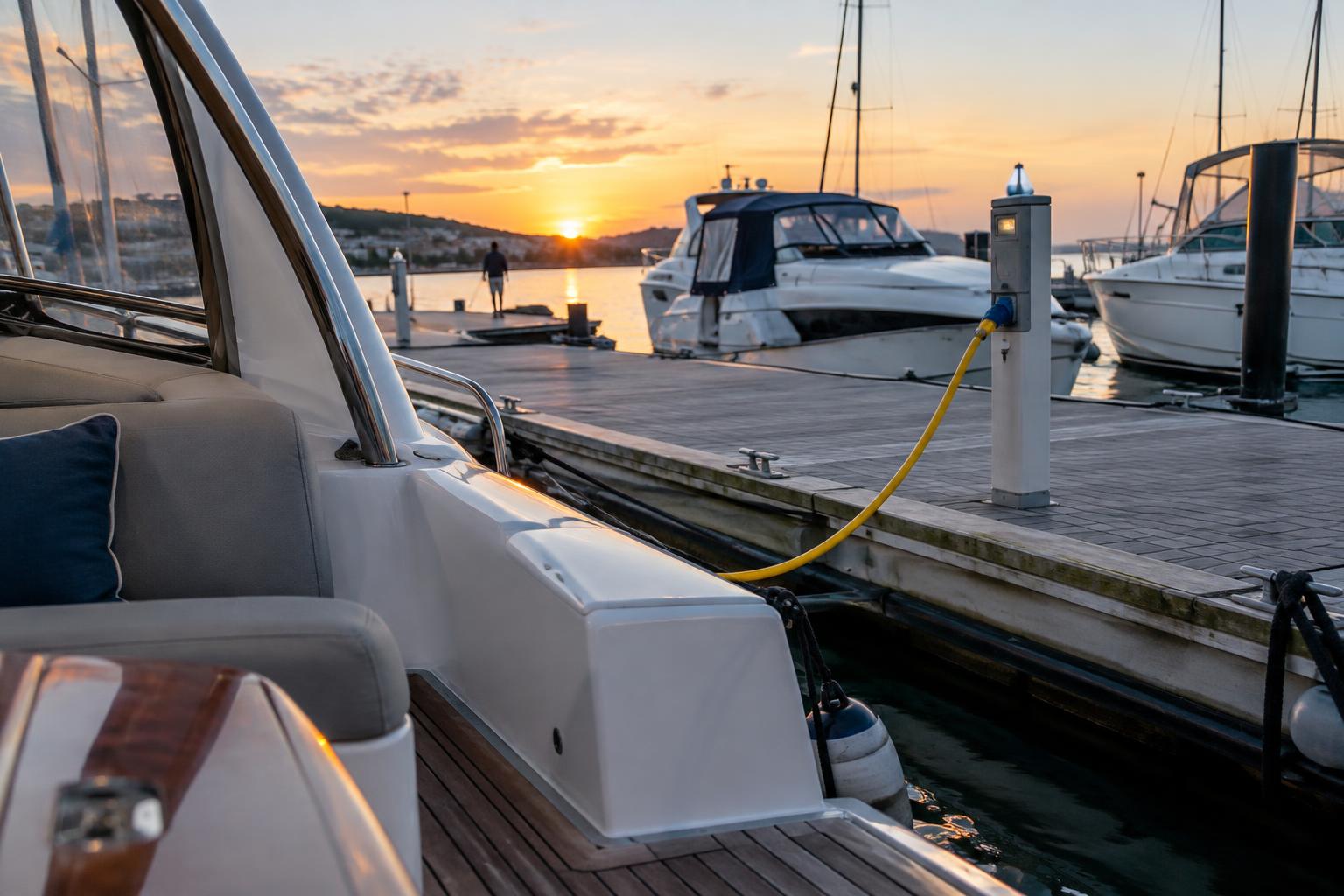
Why shore power can create a corrosion problem
When a boat is connected to shore power, it creates more than just a supply for charging and household electricity. The grounding conductor can also become an electrical link between boats on the same pontoon. Two correctly connected boats can therefore end up in a galvanic relationship, even if neither is actually drawing power.
That is when corrosion becomes a practical problem for the boat owner. In an environment where materials, water and leakage currents already vary in potential, the most anodic boat may be the first to suffer damage. Small leakage currents make the situation worse and can accelerate damage to metals and other vulnerable parts of the installation.
Why simply disconnecting the ground is risky
The quick fix may seem obvious: simply disconnect the AC ground and break the loop. But that is a dangerous shortcut. The grounding function is part of electrical safety and must be in place so that fault currents can be carried away in a controlled manner.
So even an installation with an RCD should not be modified in a way that weakens its protection just to reduce corrosion. The point is not to choose between safety and corrosion protection, but to find a solution that addresses both at the same time.
Two ways to block DC while allowing fault current through
The safer approach is to block small direct currents without preventing AC fault currents from reaching ground. In practice, there are two common options.
One is the isolation transformer. It is heavy and relatively expensive, but should be considered especially on larger boats with advanced AC systems and on hulls made of conductive materials such as aluminium, steel or carbon-fibre composite. There is no direct connection to the shore power network. Power is transferred inductively between two coils, and a boat ground plate is needed to keep the neutral at ground potential. One important advantage is that the transformer is unaffected by the polarity of the shore power supply.
The other solution is the diode isolator. It is lighter and cheaper, and is suitable for simpler systems. Two diodes are connected in parallel in the grounding conductor. AC passes in both directions, while low DC is blocked. In the relevant direction, the voltage drop is typically around 0.7 volts across the second diode. If that is not enough, the diodes can be connected in series to increase the effect.
What boat owners should check in their own installation
The right solution depends on the boat’s electrical system and hull material. A simpler installation can often be dealt with differently from a larger boat with a more complex AC system, and conductive hulls have specific requirements.
It is therefore wise to review how grounding, RCD protection and corrosion protection are actually arranged on board before making any changes. Also check that the chosen solution is suitable for your installation, and have the work carried out by someone with the right electrical expertise. It is the combination of electrical safety and corrosion protection that determines whether the measure is sensible or merely seems simple.
Important before making any changes
Work on a boat’s 230-volt system must be carried out by a qualified electrician with marine experience. Both isolation transformers and diode isolators must be intended for marine use and rated for the boat’s shore power connection. Never disconnect the protective earth as a measure against corrosion.
More in Engines & Technology
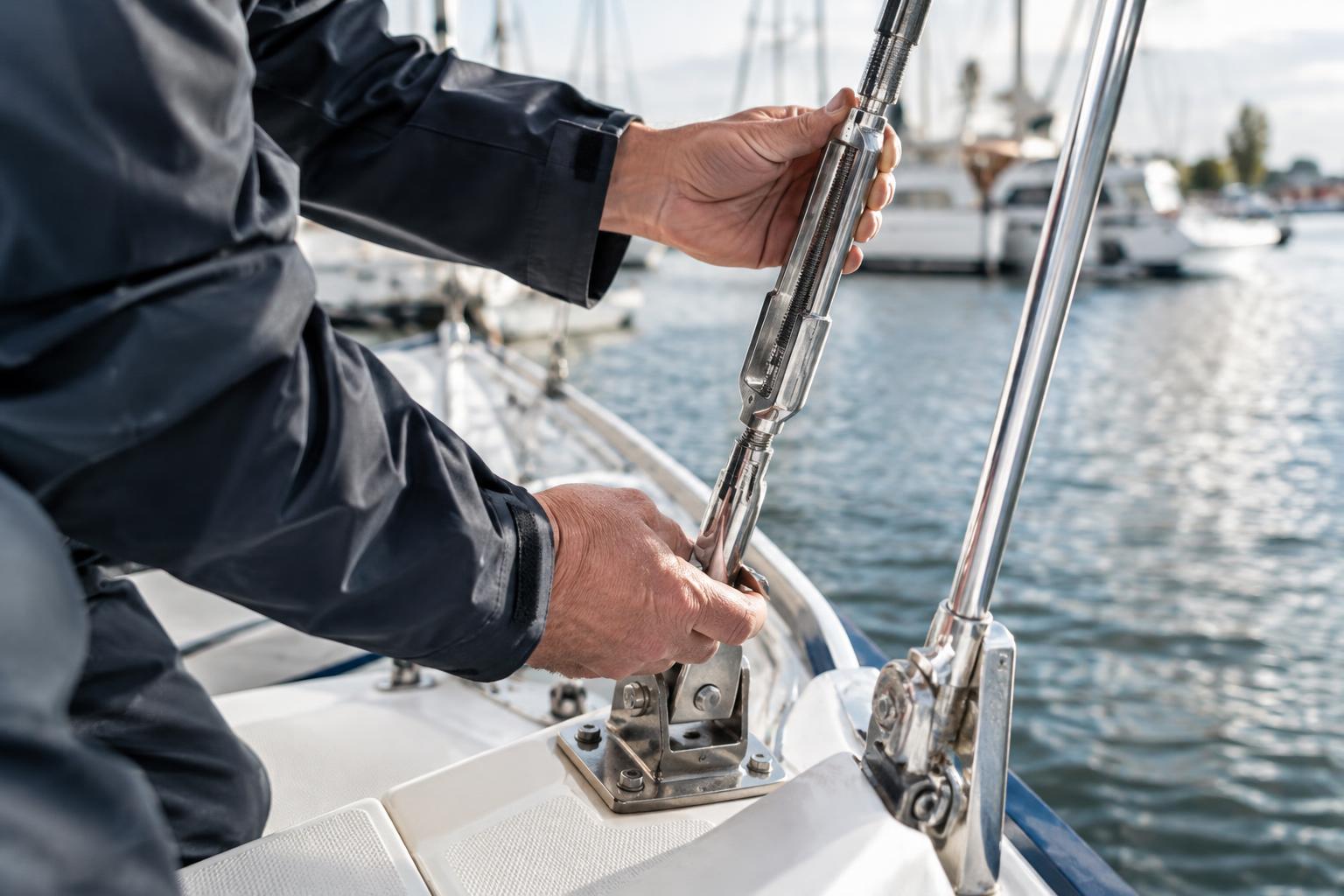
Standing rigging: the checkpoints that reveal hidden damage
A close inspection can reveal everything from broken strands to loose fittings. Here’s the line between routine checks and issues that call for a rigger or replacement.
The diesel heater on shore power – how to keep warm at the dock
The heater runs on the boat’s 12 or 24 volts. With the battery as a buffer, the right charger and correctly sized wiring, it also works when the boat is at the dock.
GB Mec presents EvoDeck 48V at METSTRADE in Amsterdam
The Italian manufacturer is using Amsterdam for the world premiere of EvoDeck 48V, a fully electric 48 VDC platform for the yacht and superyacht market.