The diesel heater on shore power – how to keep warm at the dock
The heater runs on the boat’s 12 or 24 volts. With the battery as a buffer, the right charger and correctly sized wiring, it also works when the boat is at the dock.
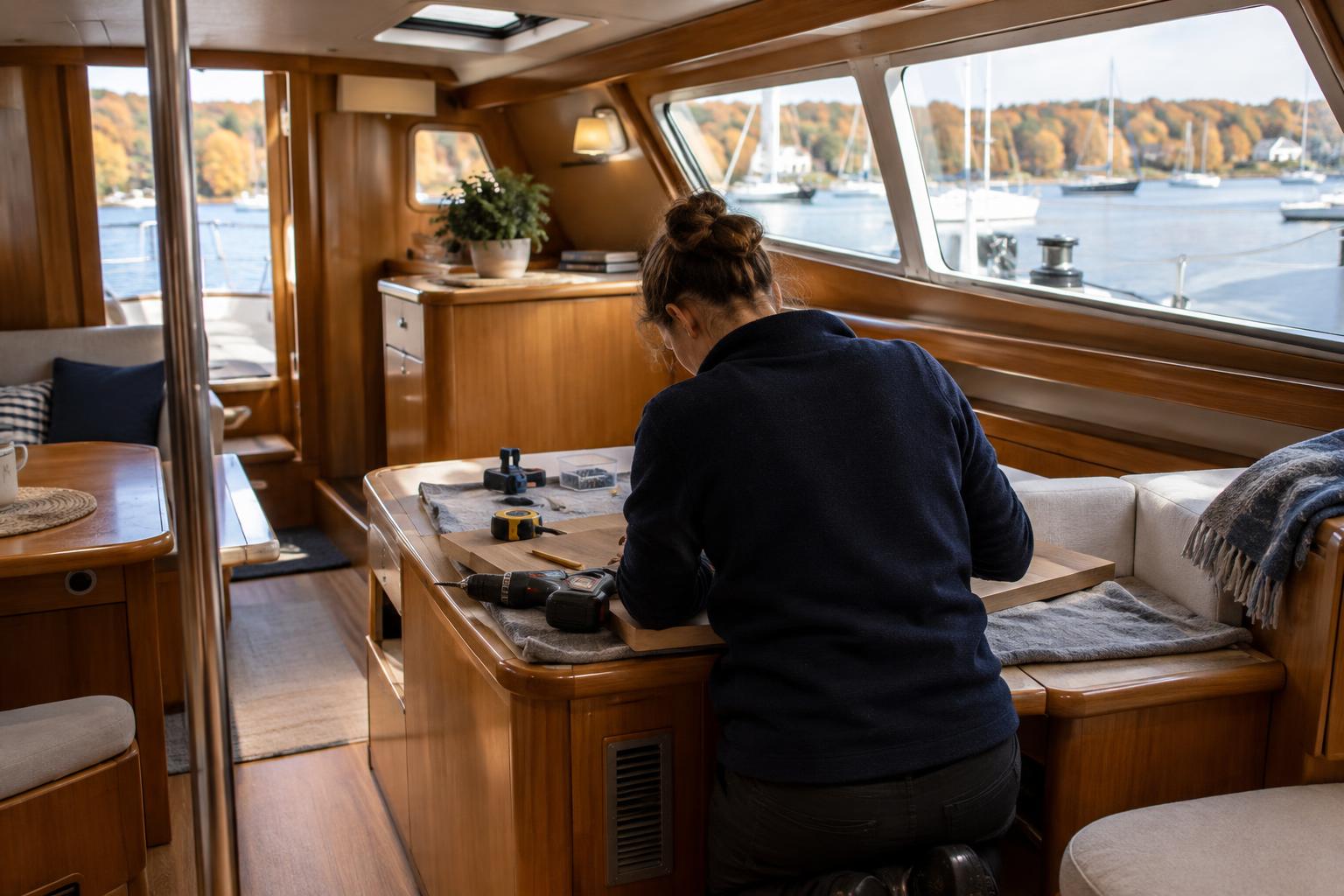
When the boat is at the dock with shore power connected, it can be tempting to want to run the diesel heater directly on 230 volts. But a diesel heater for recreational boats is designed for the boat’s 12- or 24-volt DC system, and that’s where the solution lies – not in a transformer or by bypassing the heater’s safety systems.
The heater needs the most power when it starts
An air heater draws relatively little power once it is running. Eberspächer’s data sheet for the Airtronic D2 specifies an average power consumption of 8–34 watts during operation, depending on the heat setting, but up to 100 watts at start-up, when the glow plug ignites the fuel. Other models and brands have different figures, so always check the data sheet for your particular heater.
This means that anyone wanting to run the heater on shore power needs a system that can handle the start-up, not just the low operating current.
The battery is the best buffer
The simplest solution is usually what is already on board: a marine battery charger that keeps the house battery charged while the heater is running. The battery handles the start-up current, and the charger replaces the power used.
It is not possible to specify a suitable charger size in general terms. It must be able to supply the heater’s power consumption plus everything else switched on at the same time – lights, refrigerator, electronics – while also charging the battery. Add up the loads using the manufacturers’ figures and compare the total with the charger’s continuous output capacity. Running the heater directly from a charger without a battery in the circuit requires the charger to be designed to function as a power supply; this is stated in the charger’s manual.
Voltage at the heater is what counts
Heaters have built-in undervoltage protection. For the 12-volt version of the Airtronic D2, the control unit shuts down at around 10.5 volts, and at overvoltage at around 16 volts. That is why the voltage at the heater’s own connection is what matters – not the reading at the battery.
Thin or long cables cause voltage drop, which is greatest precisely when the current is highest at start-up. A heater that shuts down during ignition may therefore have a wiring problem rather than a fault with the heater itself. Measure the voltage at the heater during a start attempt, and size the cables and fuses according to the installation instructions, taking the length of the entire circuit into account.
Safety on the shore-power side
The shore-power connection must be installed in accordance with current regulations, with a residual-current device and correctly rated fuses. Fully uncoil the shore-power cable when in use, as a coiled cable can become hot. If you are unsure about the installation, have a qualified electrician inspect it.
More in Ownership & Maintenance
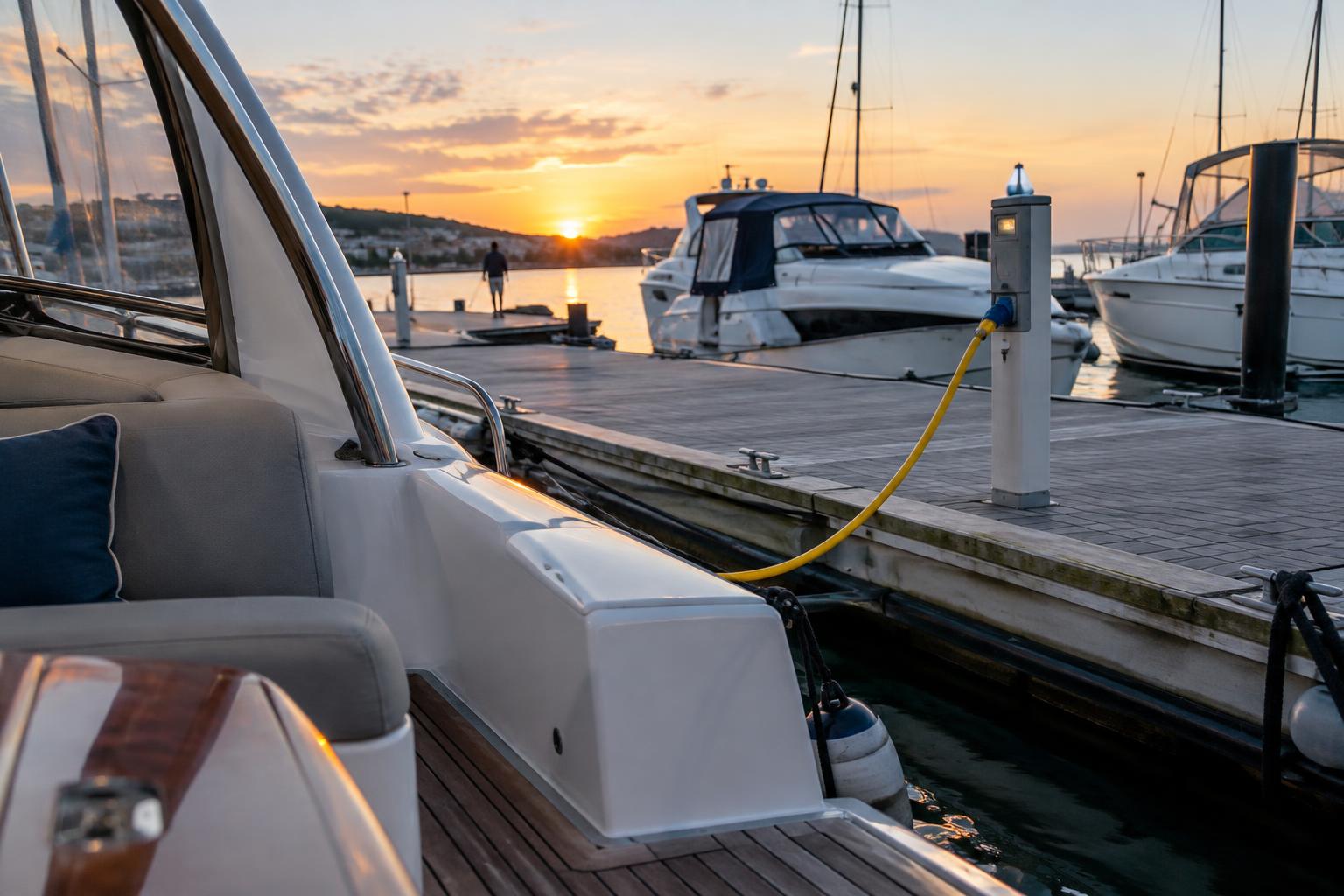
Shore power and corrosion: the risks at the dock and the protection your boat needs
Shore power can link boats through the grounding conductor and cause electrically induced corrosion. Two solutions stand out: an isolation transformer or a diode isolator.

Sea state and waves: plan the passage before leaving shelter
Short, steep seas develop when wind, opposing currents, shallow water and coastal features interact. Reading the signs before setting out can help you choose a route and timing with a greater margin of safety.
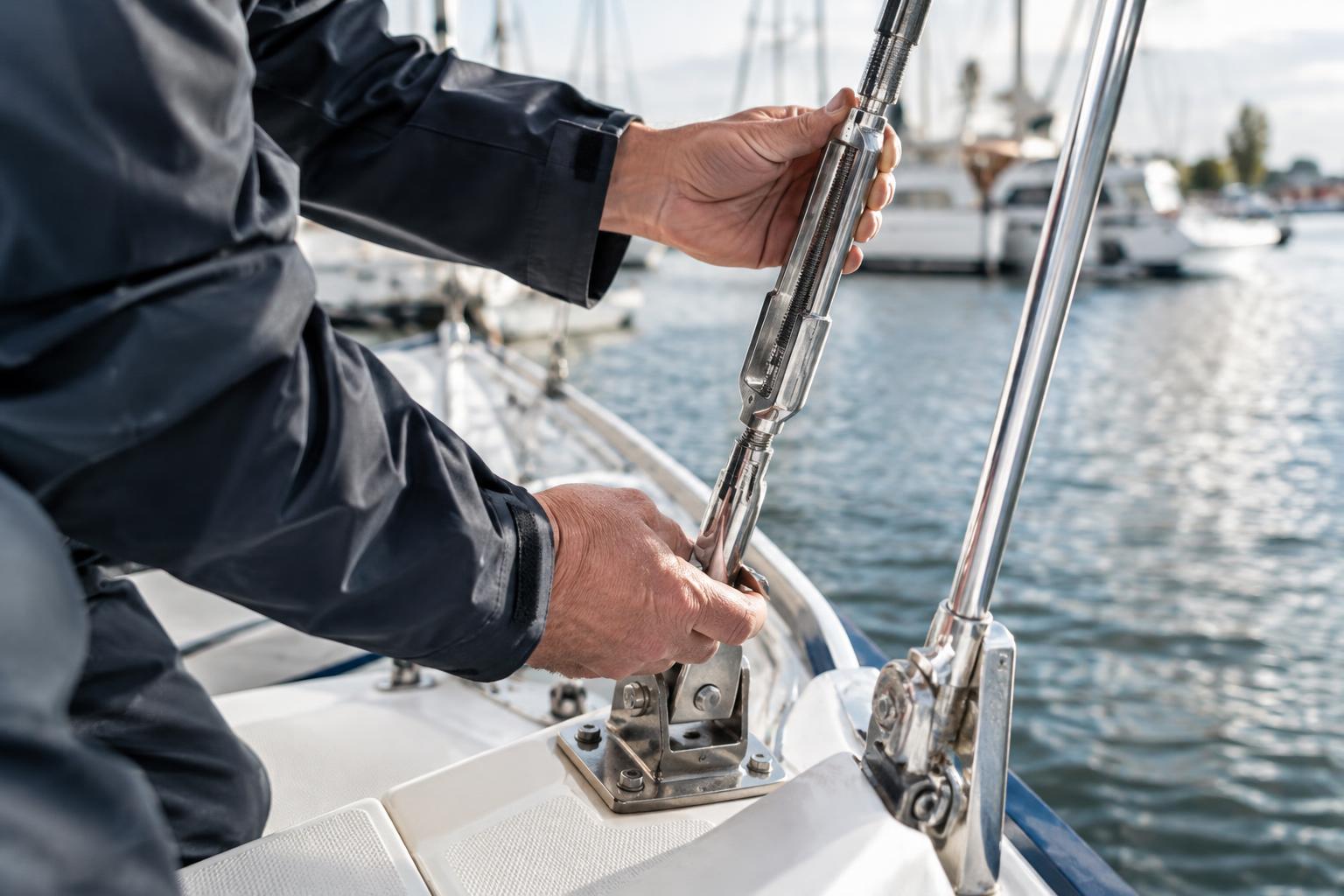
Standing rigging: the checkpoints that reveal hidden damage
A close inspection can reveal everything from broken strands to loose fittings. Here’s the line between routine checks and issues that call for a rigger or replacement.