Scilly rewards boats that can dry out—but only with the right planning
The Isles of Scilly offer more possibilities for boats with shallow draught, a lifting keel or daggerboards. The key is to read the tide, wind, swell and seabed in the right order.
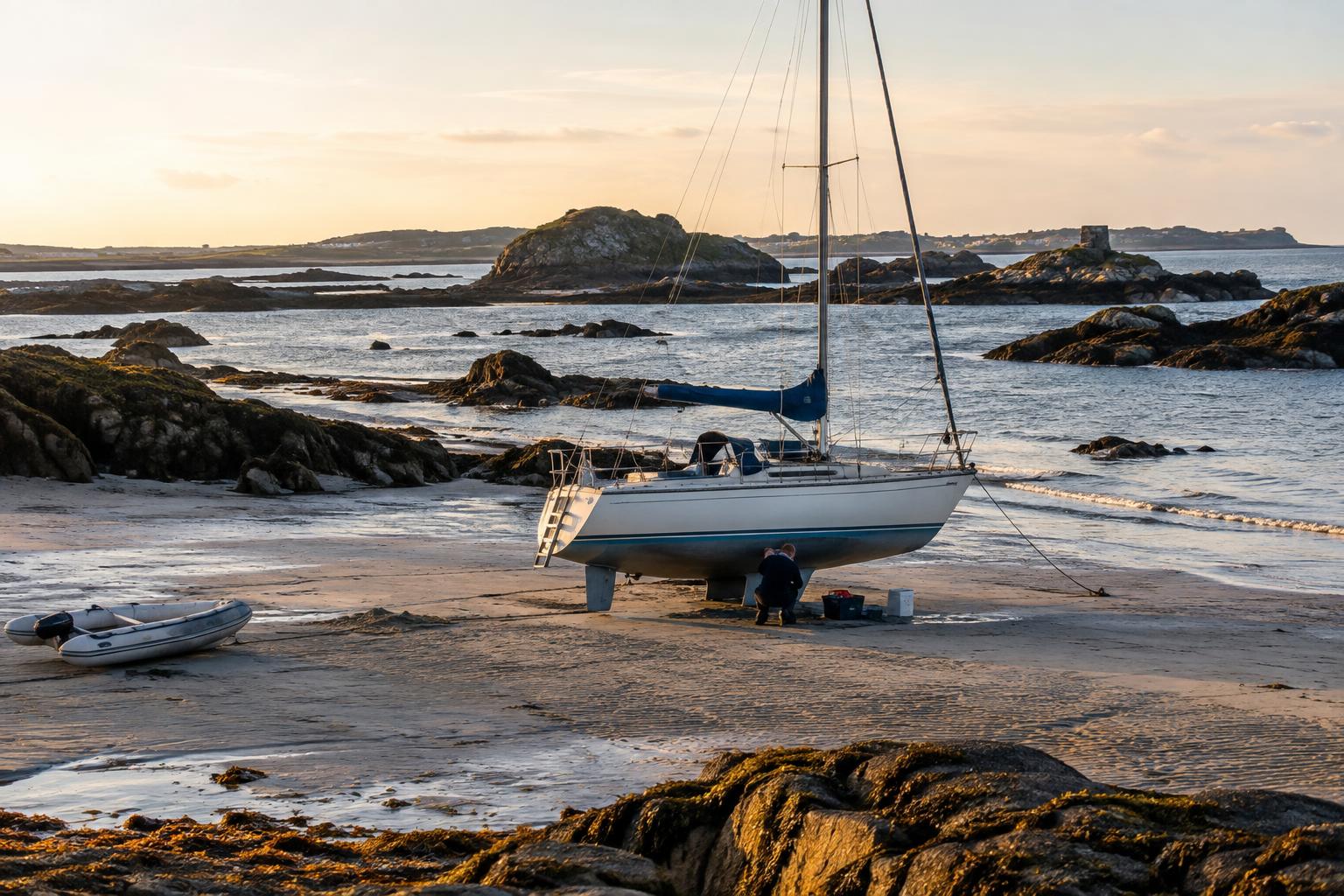
The Isles of Scilly are more than a beautiful destination in the west. For the right boat, the archipelago is also unusually flexible. What means narrow passages, rocky ground and exact timing for other boats can mean more anchorages, longer stays and greater freedom of movement for a boat with shallow draught or the ability to dry out.
But for that very reason, Scilly demands more preparation than many other cruising areas. Fog in the channels, strong currents, extensive shallows and countless rocks mean that the plan must be in place before you enter the archipelago. Better forecasts, navigation aids and charts offer more options than before, but they do not replace local knowledge and patience.
An area that favours boats with shallow draught
Pete Goss describes the islands as undeservedly notorious for danger, despite the fact that in practice they offer more possibilities the less draught a boat has. His own 32-foot cruiser Oddity is built with just that in mind: it has a lifting keel, internal ballast and daggerboards that act as supports when the boat is aground. It can dry out without legs and is also designed to sail in narrow coves and shallow channels.
For first-time visitors, he points to the bay between Saint Agnes and Gugh Island as a good starting point when the wind is in the northerly quadrants. It offers easy access from deep water for a night at anchor, and Saint Agnes has both walks and the Turks Head as a natural stop before heading back aboard.
A sandy bottom makes it much easier to read the conditions than dark rock, but Scilly is still an area where you need to keep your eyes open at all times. Polarised sunglasses are mentioned as a real aid when distinguishing shallows, rocks and patches of light sand.
The tide dictates everything
The first consideration is not wind but tide. The plan is to dry out a few hours after high water, leaving plenty of margin before the water turns and rises again. If anything goes wrong, a few extra days during a neap tide period are an advantage, not a problem.
Then comes the wind. Ideally, you go aground head to wind, so the boat settles along the slope of the shore. But it is not enough to think about the conditions as the boat comes ashore. You also need to consider what the wind will do while the boat is dry, and how a change in direction might affect refloating. If the boat risks turning towards a worse area as it floats again, you need a plan for that before you go ashore.
That is why a kedge is laid out before beaching. It gives you extra control and makes it possible to pull free if things do not feel right. If the wind is expected to shift, it can be moved once the tide has gone out. With a small crew, it can otherwise become unnecessarily complicated to try to back in with the main anchor afterwards.
Swell is often more important than wind
Swell is what can really ruin a drying-out anchorage. It is also the factor given the greatest weight in the planning. A boat that settles nicely on the bottom can take some very hard knocks just before it floats again, and swell can arrive suddenly even when the day looks completely calm. That is why wave and swell forecasts are worth following closely.
Storm Evert in the summer of 2021 shows why. Sudden squalls from the southwest swept across the area. Moorings and anchors began to drag, while boats that could dry out made it up onto the beach and lay safely. It is a clear example of how drying out can sometimes be the safest option in strong weather.
If you want to understand a bay before deciding on it, it is wise to anchor outside the intended beach for a full tidal cycle. That gives you a chance to see how the place behaves. You can also take the dinghy in at low water, check the type of seabed and look for obstructions, hidden rocks and uneven ground.
Prepare the boat as if the beach is already waiting
Once you have chosen a spot, a lot depends on keeping things organised aboard. Poles or stakes are set up above the high-water line as transits, and if the bay curves around the boat, a side transit can help you hold position. The aim is a moderate slope so that the boat sits level once it is aground.
Being sure that everything can be managed once the boat is dry is at least as important as the anchorage itself. The kedge should be checked and easy to deploy. The dinghy should be launched and ready to provide a tow if anything needs adjusting. A good rock or a tree can be useful for securing the bow.
The work aboard should be prepared before the water disappears. A long brush, a small stiff brush, screwdrivers for clearing through-hulls and a new propeller anode are among the things that should be ready to hand. There are also small details that make a big difference in practice: a particular type of boat needs a solution for getting back aboard from the sand, and it is not something you want to discover only once the boat is already aground.
One piece of advice from Breton sailors is to fill one or two buckets with seawater before the tide goes out. One can be used to rinse muddy, sandy feet. The other can be used to flush the toilet into the holding tank.
Freedom, shelter and more anchorages
The great value of Scilly for the right boat is not just that you can get into places others have to avoid. Drying out also opens up longer stays and more places to choose from. After drying out in Scilly, Goss anchors again under Tean Island and continues exploring an area full of coves, small islets and rock formations.
St Martin’s stands out as his favourite island, precisely because it feels the least touristy and, being larger and furthest from Hugh Town, is less crowded. For boat owners, the lesson is clear: Scilly rewards those who let the weather, tide and seabed dictate the route, rather than trying to force a plan.
Well prepared, the archipelago is therefore less an obstacle than an opportunity. For boats with limited draught, a lifting keel or other features that make drying out easier, it is one of the most rewarding cruising areas in British waters. But the key is the same every time: read the place, read the forecast and leave nothing to chance.
More in Boats & Yachts
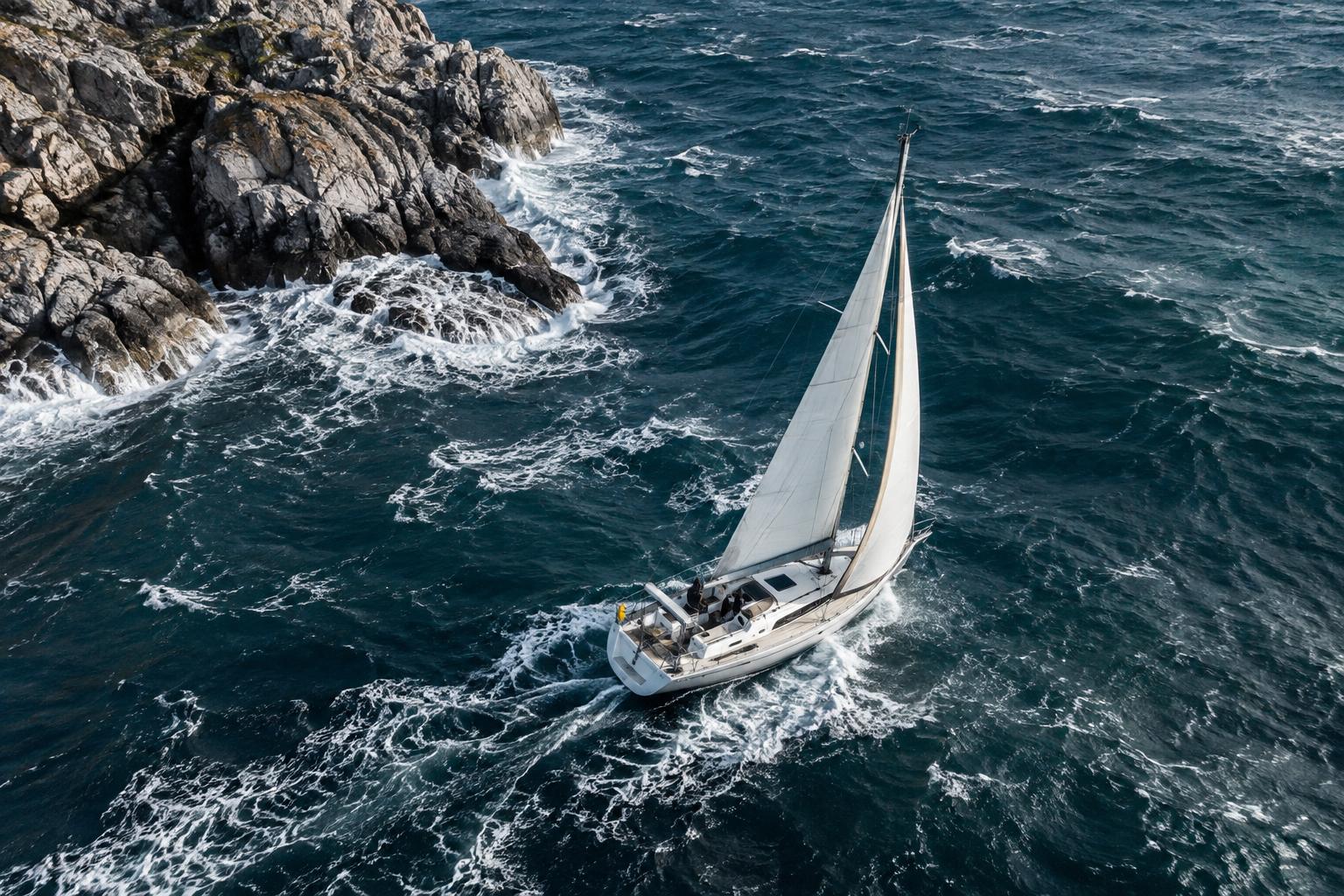
Sea state and waves: plan the passage before leaving shelter
Short, steep seas develop when wind, opposing currents, shallow water and coastal features interact. Reading the signs before setting out can help you choose a route and timing with a greater margin of safety.
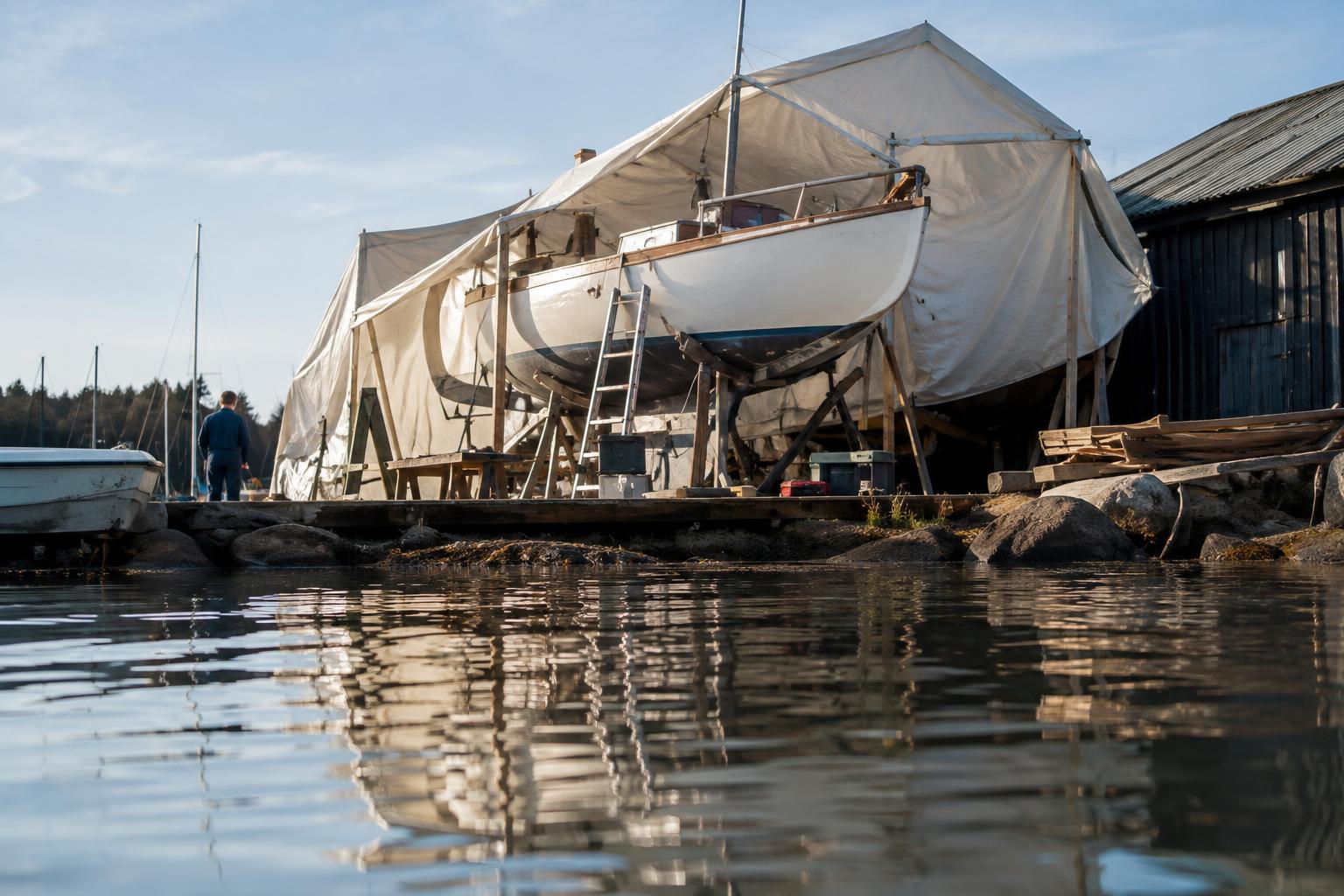
The renovation that made Daniel Östman a better sailor
Daniel Östman bought a Späckhuggare from 1968, rebuilt it from bare hull to sailboat, and came away with greater knowledge and a new perspective on sailing.
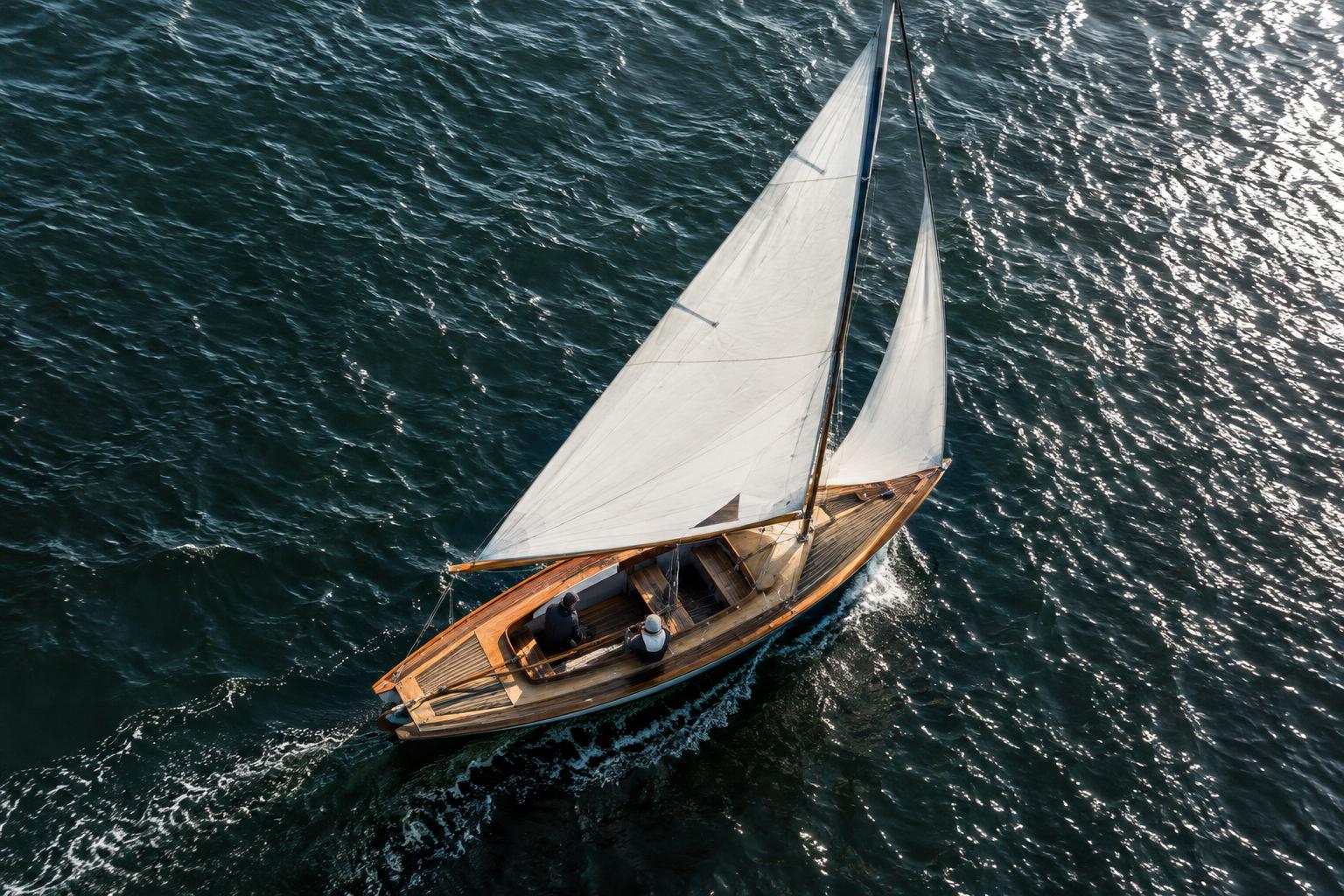
The Folkboat: the Nordic idea that became a classic
From a shared Nordic one-design idea in the late 1930s to the prototype in Gothenburg, the boats built in plastic and a thriving racing scene. The Folkboat has endured through tradition.