Refrigeration on board: choose a system based on energy, ventilation and use
Compressor, absorption, thermoelectric or passive cooler? A refrigerator is often the boat’s biggest power consumer—here’s how to choose, install and use one properly.
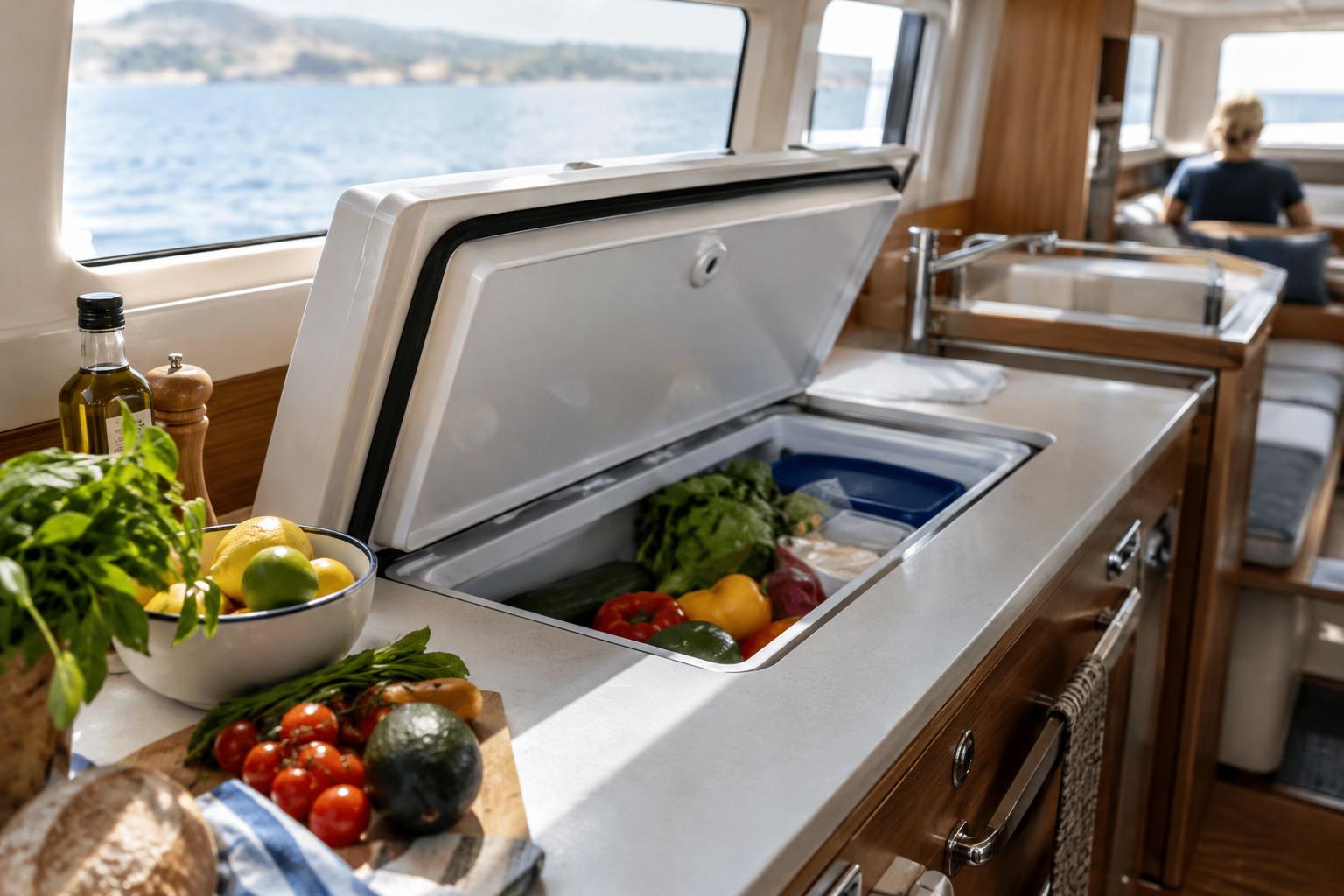
Four ways to keep things cold on board
There are basically four solutions: a passive cooler, thermoelectric cooling, an absorption refrigerator and a compressor refrigerator. They solve the same problem in different ways, and the choice depends on how the boat is used, how much electricity is available and where the refrigerator can be installed.
Passive cooling requires no electricity at all. It relies on a well-insulated box, pre-chilled provisions and ice, and works best on shorter trips.
Thermoelectric coolers are quiet and have few moving parts, but are mainly suited to keeping already-cold provisions cool for shorter periods, and they lack precise temperature control.
Absorption refrigerators can run on 12 volts, 230 volts or LPG. They are quiet, but must be level and well ventilated—a requirement that is difficult to meet on a boat that heels.
Compressor refrigeration is the most common choice on cruising boats spending several days away. It costs more, but modern 12-volt units are efficient, and this is where most boat owners get the most cooling per amp-hour consumed.
Energy is what matters in practice
On board, the refrigerator is often the biggest power consumer of all, running around the clock. Its daily consumption in amp-hours depends on the refrigerator’s size, the insulation, how warm it is in the boat and how often it is opened. Manufacturers’ technical data give consumption under specified conditions; expect it to be higher in a warm climate.
So make a simple energy budget: the refrigerator’s daily consumption according to the data sheet, plus that of other equipment, compared with what charging from the engine, solar panels or shore power actually supplies. The refrigerator should run from the house battery—manufacturers such as Isotherm recommend a separate engine start battery, so a depleted house bank can never prevent the engine from starting.
Insulation is often the cheapest improvement. An older cooler with thin insulation makes the compressor run longer, and adding insulation can reduce consumption more than replacing the refrigeration unit.
Ventilation is part of the installation
A compressor refrigerator dissipates heat through the condenser. If the unit is in a cramped, hot space with no airflow, it runs longer and consumes more power. Isotherm’s installation instructions stress that good ventilation of the compressor and condenser reduces power consumption, and specify the size of the ventilation openings required for each model.
Also check that the cables to the refrigerator have the cross-sectional area required by the instructions for their length. Cables that are too thin cause voltage drop, and many compressor refrigerators have low-voltage protection that shuts the unit down when the voltage falls—which can look like a fault with the refrigerator.
Top-opening or front-opening
Cold air sinks. A top-opening cooler therefore retains the cold better when the lid is opened, while a front-opening refrigerator gives a better view of the contents but loses more cold air each time it is opened. In top-loading boxes, it is coldest at the bottom and closest to the evaporator.
Dividers and baskets make it easier to find things, reducing the time the lid is left open. Put the items you use often at the top.
Plan what needs to be kept cold
A refrigerator on board often holds 40–50 litres, far less than one at home. Make room for items that really need refrigeration, such as dairy products, meat and opened packages, and follow the storage instructions on the packaging for everything else. This is a matter of food safety, not just space—if in doubt, follow the instructions on the packaging, not habits picked up on other boats.
More in Ownership & Maintenance

Sea state and waves: plan the passage before leaving shelter
Short, steep seas develop when wind, opposing currents, shallow water and coastal features interact. Reading the signs before setting out can help you choose a route and timing with a greater margin of safety.
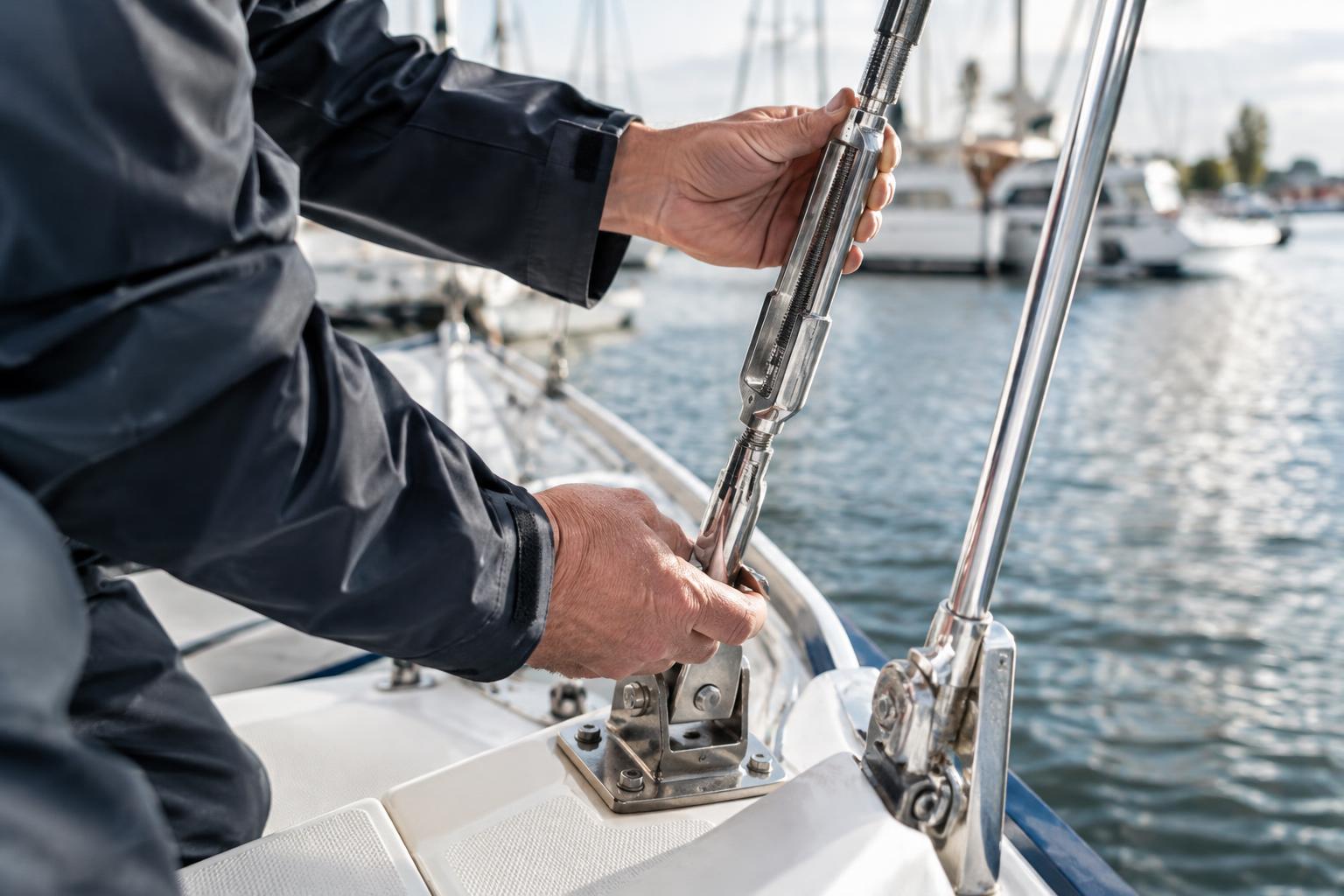
Standing rigging: the checkpoints that reveal hidden damage
A close inspection can reveal everything from broken strands to loose fittings. Here’s the line between routine checks and issues that call for a rigger or replacement.
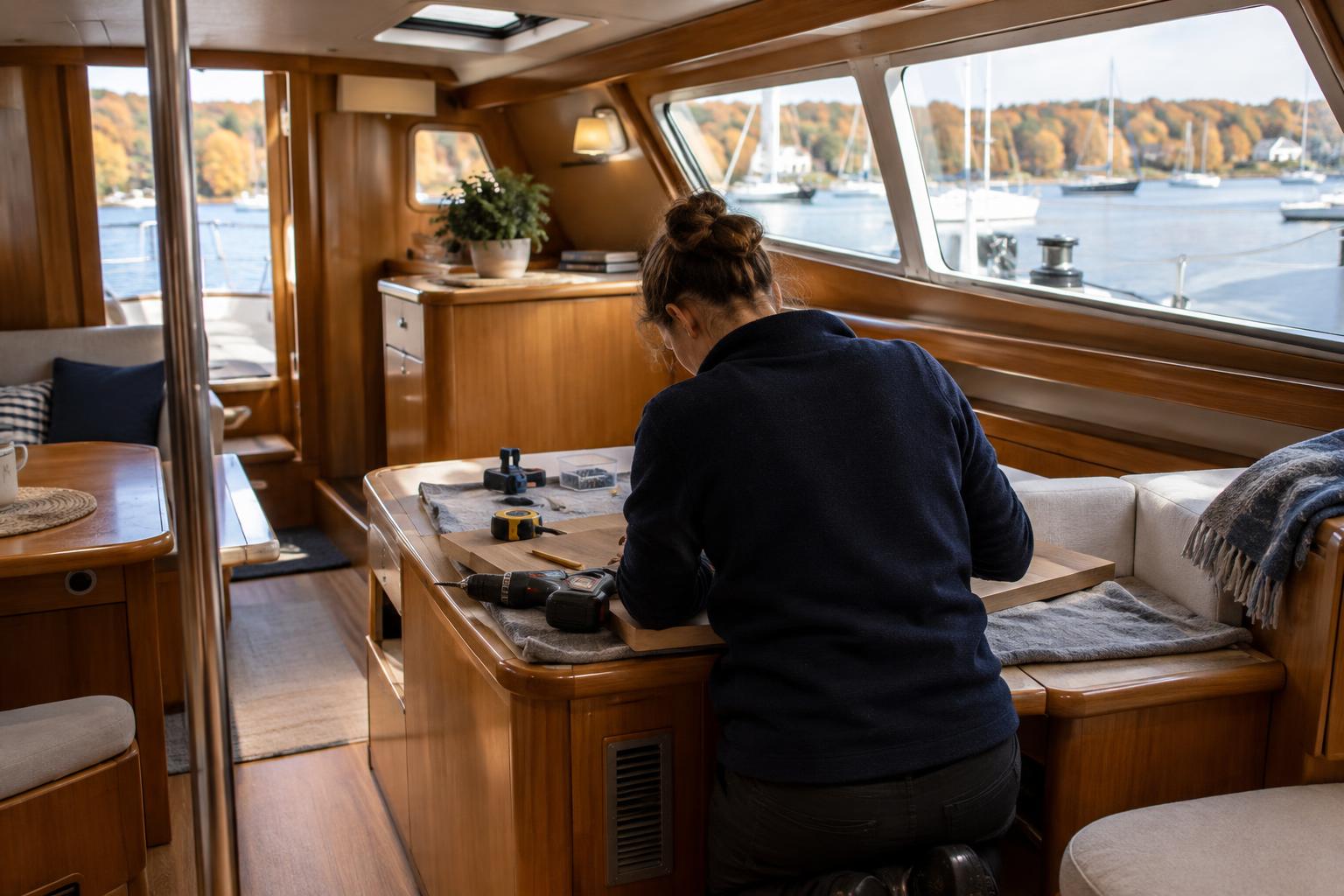
The diesel heater on shore power – how to keep warm at the dock
The heater runs on the boat’s 12 or 24 volts. With the battery as a buffer, the right charger and correctly sized wiring, it also works when the boat is at the dock.