The renovation that made Daniel Östman a better sailor
Daniel Östman bought a Späckhuggare from 1968, rebuilt it from bare hull to sailboat, and came away with greater knowledge and a new perspective on sailing.
Renovating the Späckhuggare – from dream to major project
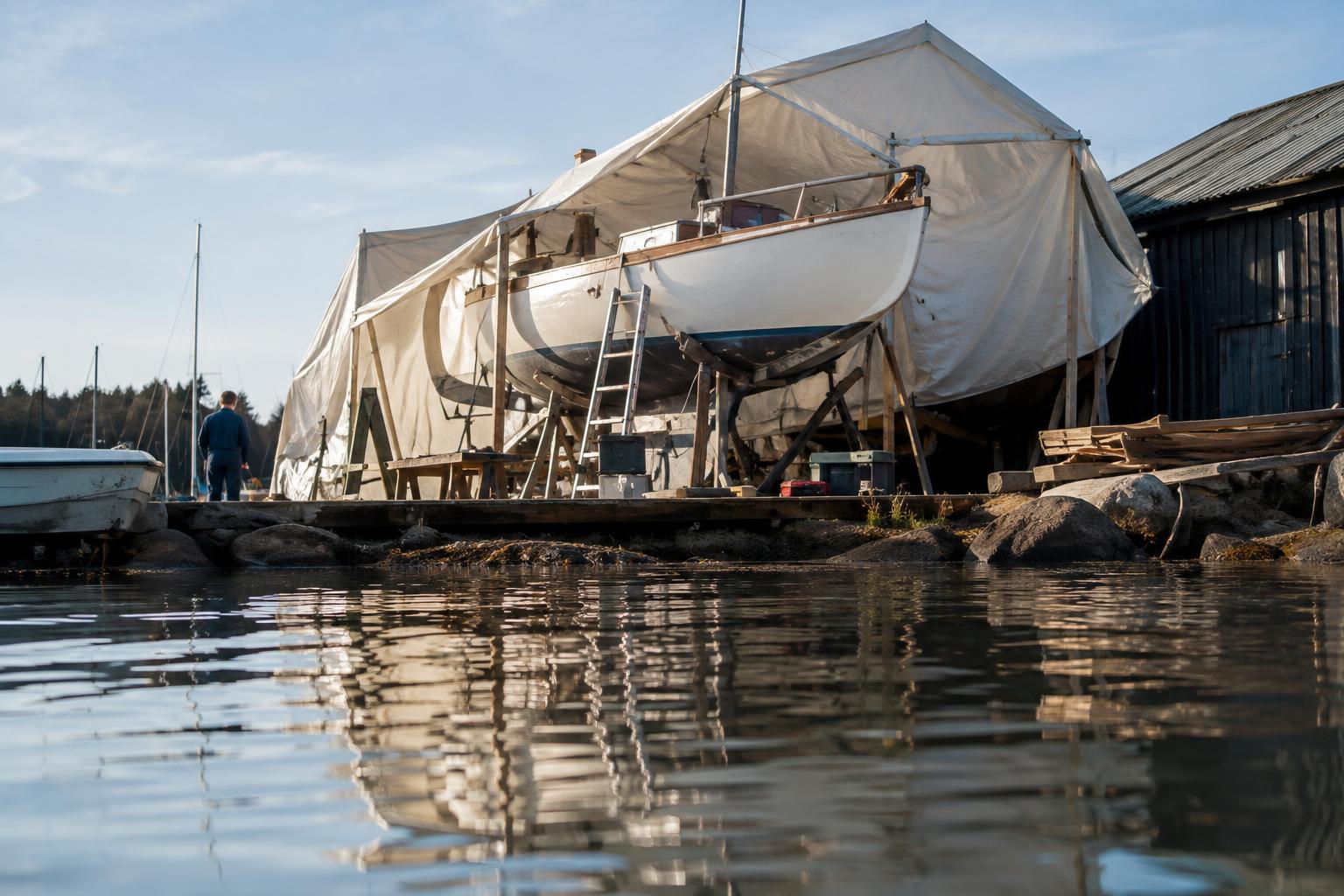
Daniel Östman, an interior architect and furniture designer, had a Danish Späckhuggare from 1968 trucked home from Denmark in 2018. What began as a desire to make the boat look good quickly grew into a long and demanding renovation project at home.
He built a large tent around the boat and worked evenings and weekends for nearly six months. The entire interior was ripped out and the hull was sanded back completely. Only the old Andersen winches were kept.
The keel was ground back to bare steel, filled and given new corrosion protection. The cockpit and deck were stripped, sanded, filled and painted. Self-levelling paint was used for the finish, and the project was completed with two coats of Double coat.
He also made a new engine mount, bought a new engine, painted the deck and installed a B&G chartplotter and an advanced wind instrument. Inside, he built new parts from plywood, using pieces of cardboard as templates to make sure everything fitted.
What mattered most: sailing, not aesthetics
In the end, what mattered most was not the craftsmanship itself, but what the renovation taught him about the boat on the water. The work forced him to understand how sailing works, how to trim a sailboat and how much small adjustments matter for speed and direction.
He describes patience as the greatest test. The project became a money pit, with money, time and custom solutions constantly demanding more than expected.
After the Späckhuggare, he chose a Ridas, a 31-foot sailboat built in 2006. It is sportier, he says, and offers better conditions for sailing faster and more efficiently. He has added new sails and an autopilot.
At the same time, his view of boating has changed. The design that first attracted him has taken a back seat. Today, it is about the sailing experience and becoming a better sailor. The next step, he says, is 40 feet – no more.
More in Ownership & Maintenance
Scilly rewards boats that can dry out—but only with the right planning
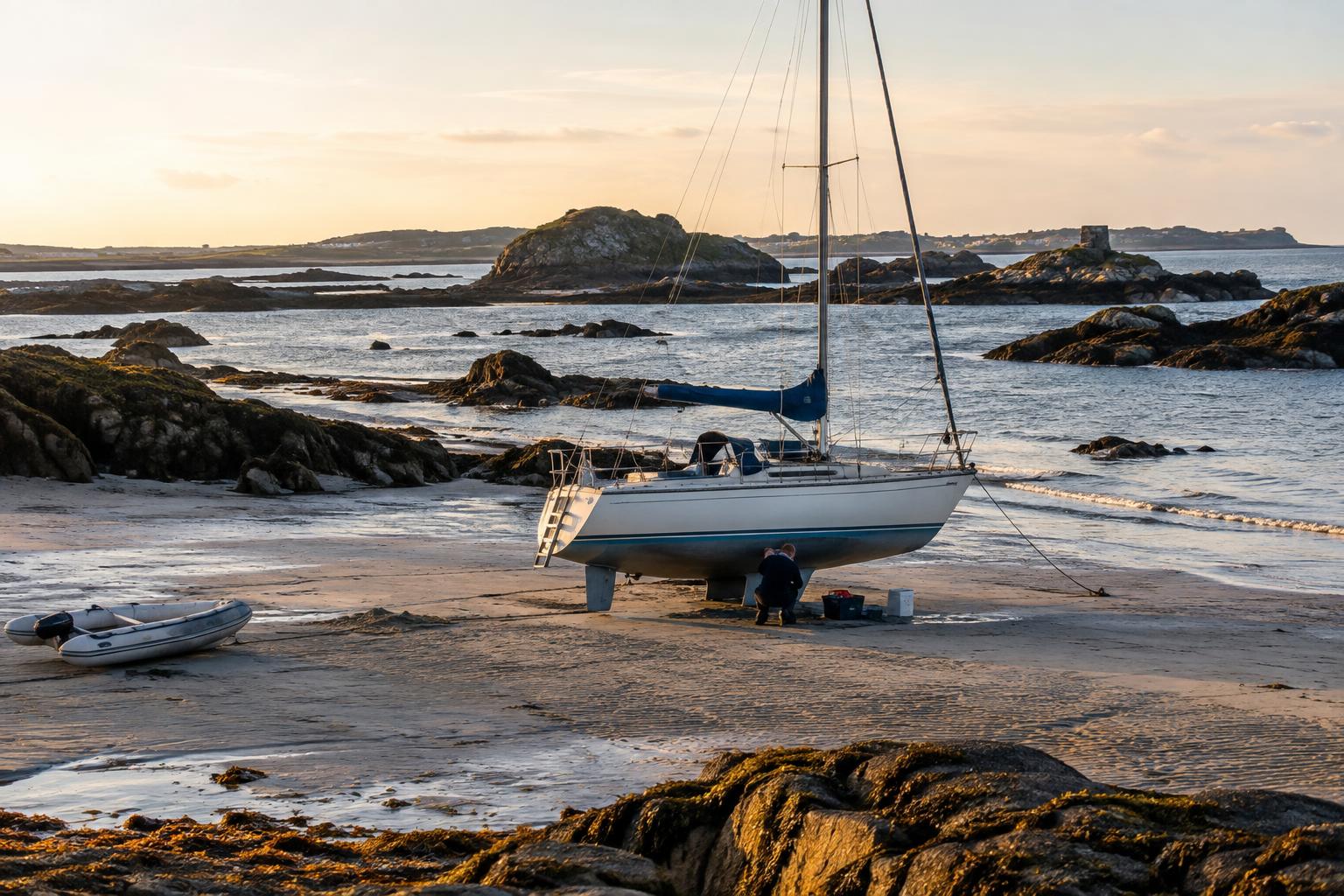
The Isles of Scilly offer more possibilities for boats with shallow draught, a lifting keel or daggerboards. The key is to read the tide, wind, swell and seabed in the right order.

Joshua Slocum and Spray: Alone Around the World
When Joshua Slocum left East Boston aboard the rebuilt Spray in 1895, many thought the venture was foolish. Thirty-eight months later, he was the first person to have sailed alone around the world.
The Folkboat: the Nordic idea that became a classic
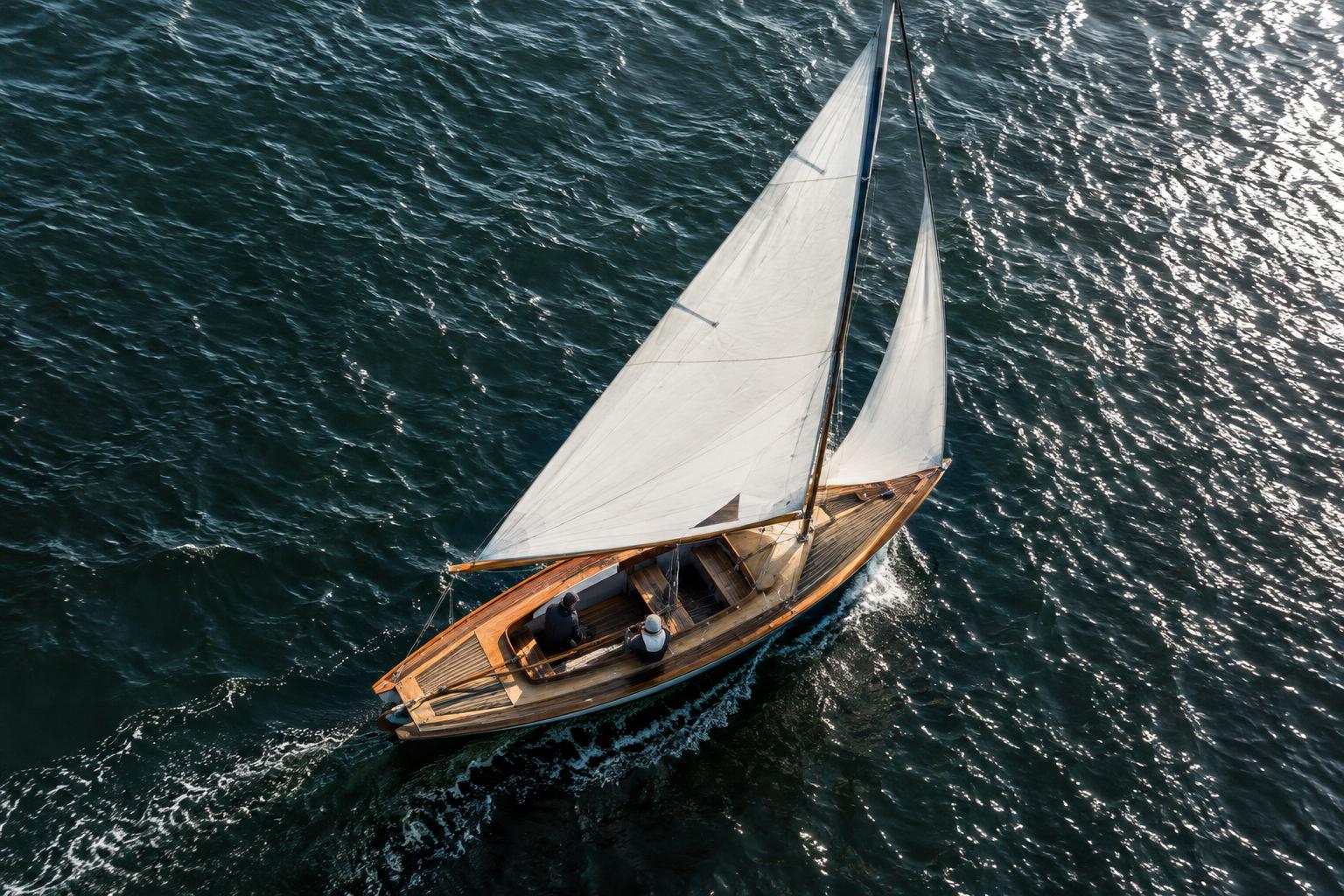
From a shared Nordic one-design idea in the late 1930s to the prototype in Gothenburg, the boats built in plastic and a thriving racing scene. The Folkboat has endured through tradition.