Joshua Slocum and Spray: Alone Around the World
When Joshua Slocum left East Boston aboard the rebuilt Spray in 1895, many thought the venture was foolish. Thirty-eight months later, he was the first person to have sailed alone around the world.

From Sailor’s Son to Ship’s Captain
Joshua Slocum already had a lifetime at sea behind him when he stood on the wharf in East Boston and cast off Spray’s moorings. In his own account, he traces his roots to Nova Scotia, with an early fascination with the sea and a life afloat beginning at the age of eight. He also describes how, as a young man, he worked as a cook aboard a fishing schooner, went before the mast in a full-rigged ship, and later became captain of Northern Light.
In the same autobiographical account, he also mentions Aquidneck, which he owned and sailed. This is an important part of Slocum’s later legend: before he became a symbol of the solo sailor, he was an experienced ship’s captain with practical knowledge of vessels, crews and ocean passages. That experience made his next step understandable to him, but far from obvious to the outside world.
The Rebuilt Spray and the 1895 Departure
Spray was a 37-foot sloop fitted out for the voyage that would make her famous. She was an old wooden boat that Slocum rebuilt himself for a long voyage and a solo passage across the world’s oceans.
When Slocum cast off from East Boston in 1895, many regarded the plan as either foolish or dangerous, or both. It was not simply a question of courage. The idea challenged contemporary notions of what a sailboat, a lone skipper and such a voyage could be capable of.
Yet the departure became a reality. With Spray as his only vessel, he set out on a voyage that would change his name forever.
Three Years at Sea and the Return to Newport
Slocum’s solo circumnavigation took 38 months. During that time, he was reported missing more than once, and there were periods when he was presumed lost.
What makes the voyage so clear in retrospect is its broad outline. In his own book, the route follows a circumnavigation that crosses the Atlantic, passes through the Strait of Magellan, and continues across the Pacific, past Australia and through the Indian Ocean and around South Africa before the homeward leg begins. The book’s wealth of detail is interwoven with the broad strokes of a voyage that had to be kept going through navigational skill, endurance and sheer practical seamanship.
On June 27, 1898, Slocum came ashore in Newport, Rhode Island. He was the first person to have sailed alone around the world.
The Book That Made the Voyage Immortal
Just a few years later came the explanation for why Slocum became more than a curious adventurer. In March 1900, The Century Company published Sailing Alone Around the World in New York. With that book, he became one of the best-known people in the United States for a time.
Its strength lay not only in the achievement itself, but in the way he told the story. The prose is clear and graceful, and has sometimes been compared with Henry David Thoreau’s Walden. At the same time, the book leaves much unsaid about Slocum’s personal life. That very restraint has helped him continue to fascinate readers: there is a great, well-known voyage, but the man behind it remains somewhat elusive.
More than a century later, it is still the book that keeps Spray alive. It has made a 37-foot sloop a piece of sailing cultural history—and the lone captain a role model for generations of long-distance sailors.
More in People & History
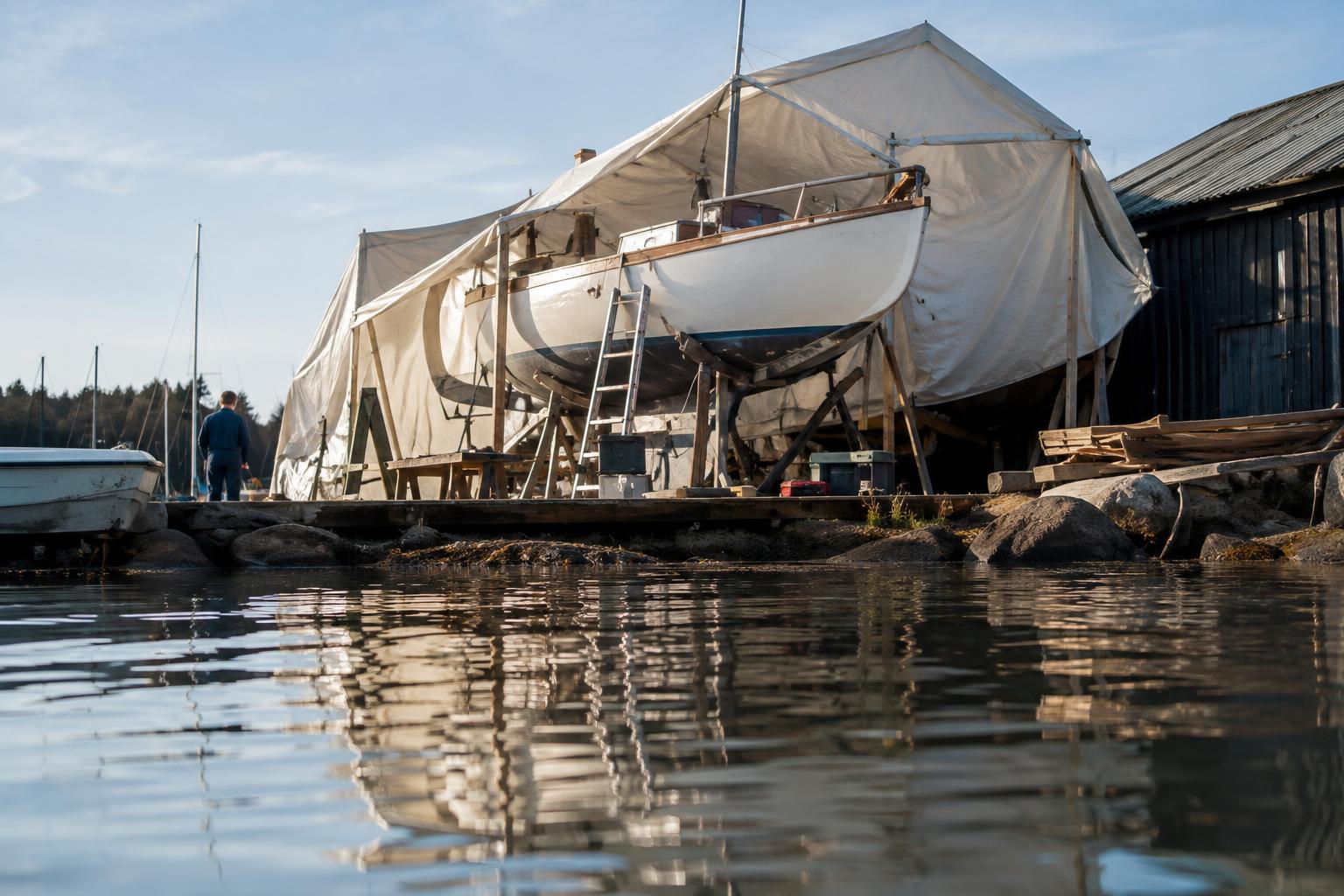
The renovation that made Daniel Östman a better sailor
Daniel Östman bought a Späckhuggare from 1968, rebuilt it from bare hull to sailboat, and came away with greater knowledge and a new perspective on sailing.
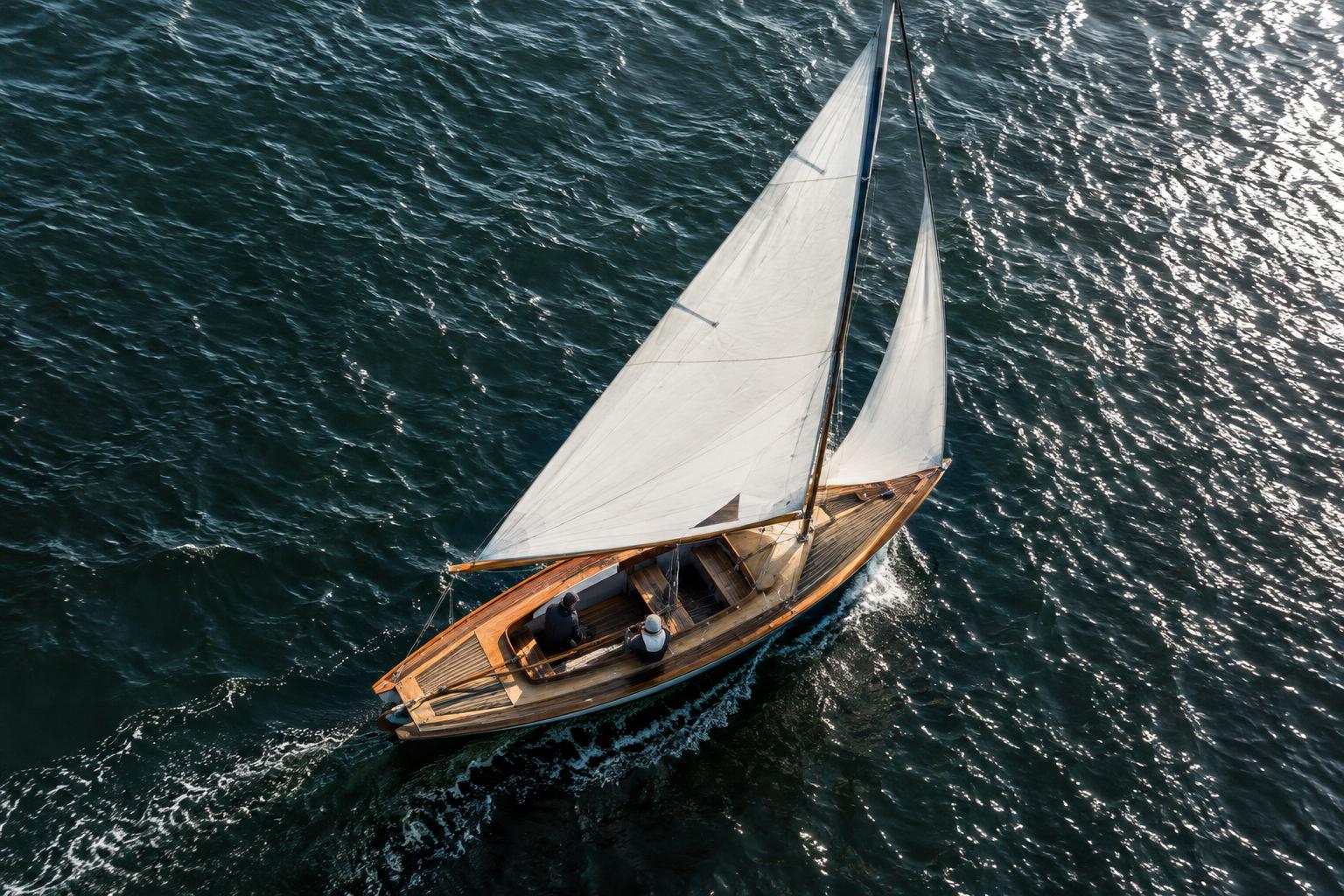
The Folkboat: the Nordic idea that became a classic
From a shared Nordic one-design idea in the late 1930s to the prototype in Gothenburg, the boats built in plastic and a thriving racing scene. The Folkboat has endured through tradition.
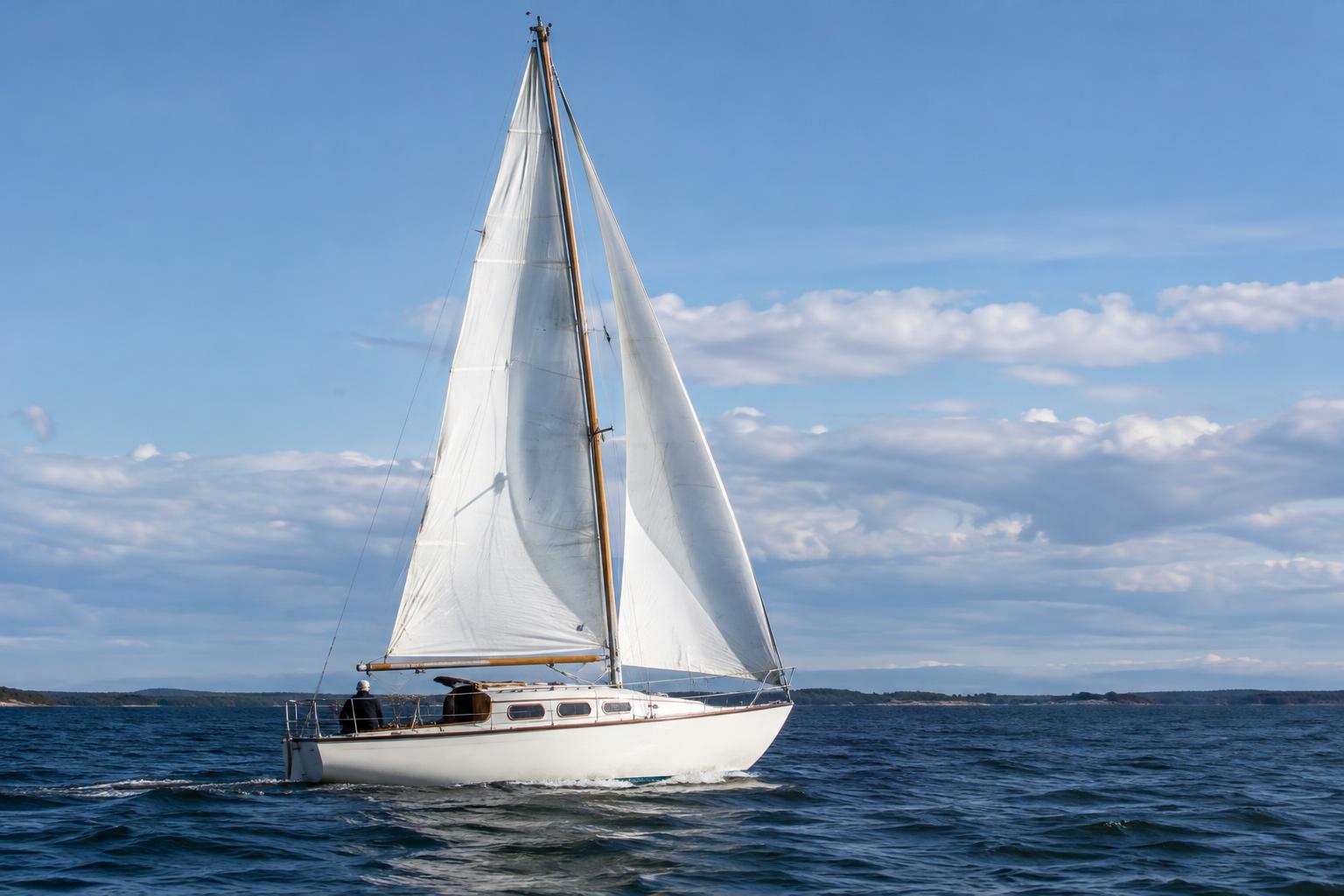
Albin Vega: the fiberglass boat that became Sweden’s people’s boat
From Per Brohäll’s commission in 1964 to the museum boat TERTIA: Albin Vega became one of the great Swedish family cruisers of the 1960s and remains a popular classic.