The Folkboat: the Nordic idea that became a classic
From a shared Nordic one-design idea in the late 1930s to the prototype in Gothenburg, the boats built in plastic and a thriving racing scene. The Folkboat has endured through tradition.
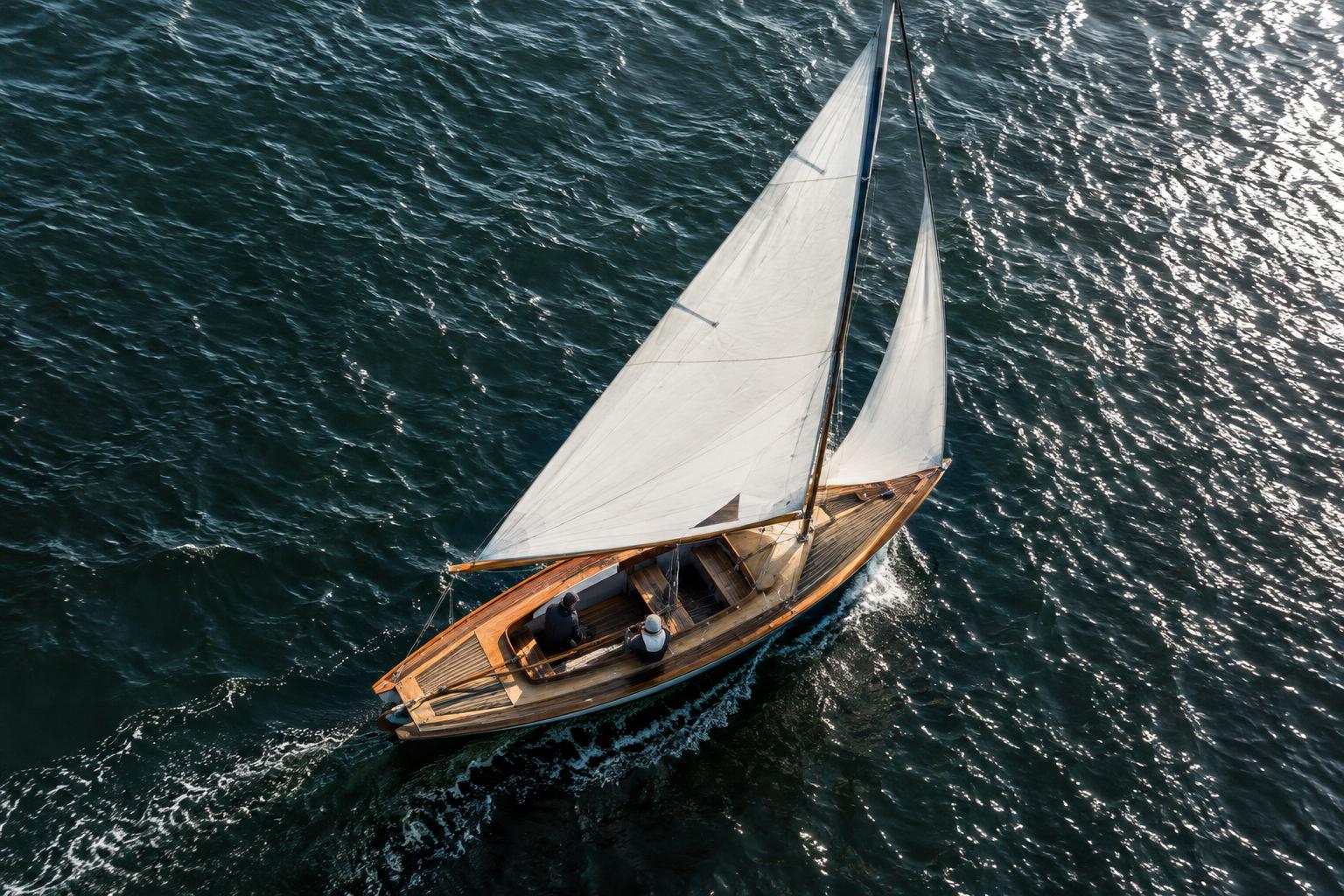
A Nordic idea takes shape
In the late 1930s, people in Scandinavia began discussing a shared Nordic one-design boat. When shipowner Sven Salén raised the question at the Scandinavian Sailing Federation in 1941, the idea really began to gather momentum. The goal was clear: a boat that would be easy and inexpensive to build, suitable for factory production, seaworthy and able to sleep three to four people. The materials were to be Nordic timber and an iron keel, all to keep costs down.
It was a classic compromise for its time. The boat was to be simple and affordable, but not at the expense of its sailing performance. It was to be a one-design boat in which many people could compete on equal terms, not an extreme speed machine.
The competition that produced no finished answer
The Nordic design competition attracted 59 entries from all the Nordic countries. The proposals were first shortlisted in each country before representatives from the countries gathered for the final judging. The jury concluded that none of the entries fully met the requirements.
Prizes were awarded nonetheless. Svane by Knud Olsen from Denmark and Vega II by Jac M Iversen from Sweden each received 900 kronor. Snipan by O W Dahlström from Denmark and Inger by Alfons Kvarnström from Finland each received 500 kronor.
It was then decided that a committee would draw up guidelines for the final Nordic Folkboat. Tord Sundén subsequently produced the final plans.
The prototype in Gothenburg
Work on the first prototype began immediately at Arendalsvarvet in Gothenburg. The boat was ready by Christmas 1941, before the war had even loosened its grip on everyday life. After three months, 61 boats had been ordered—a first sign that the new class had hit the mark.
On 22 April 1942, the ice cleared in Gothenburg. The following day, 23 April, a Nordic Folkboat was launched for the first time. In just over a year, a Nordic design idea had gone from drawing board to water.
Wooden boats, plastic boats and club culture
The Folkboat got off to a fast start in Sweden. After ten years, there were around 400 boats in the country, and the class had also grown into one of Sweden’s most active keelboat classes. It became popular throughout Northern Europe, too.
The class’s longevity is due not only to its design and sailing performance, but also to tradition and organisation. As the number of boats grew, Folkboat clubs were formed as social associations and to coordinate racing. The Swedish Folkboat Association was founded on 23 May 1944 at the Stallmästargården restaurant in Stockholm.
An important turning point came in 1976, when the class began to be built in plastic. This gave the boat a new lease of life, and today around 1,000 plastic boats are said to have been built. Manufacturers are based in Sweden, Denmark, Germany and the USA.
A class still sailing
The Folkboat has an unusually broad racing scene. The Sessan Trophy is one of the class’s older international competitions. Crews race with their own sails in borrowed boats, with the boat’s owner as part of the crew. The competition alternates between the Scandinavian countries and Germany.
Sven Salén also initiated the match between Sweden and Finland, which has been held roughly every other year since the early 1960s as a team race with no more than ten boats on each team. The first Swedish Championship was sailed in 1965 in Nynäshamn and has since become an annual highlight, often averaging around 35 boats, with fields peaking at just over 60.
The Gold Cup and the San Francisco Cup also show how the class is united across borders. The Gold Cup alternates between Denmark and Germany, sometimes with a Swedish host, and also attracts sailors from the USA and Switzerland. The San Francisco Cup is sailed every other year, with around 20 European crews, their own sails in borrowed boats and accommodation with American Folkboat sailors. The strong tidal currents in San Francisco Bay and the international atmosphere are part of the appeal.
What began as a Nordic collaborative idea became more than a boat. The Folkboat became a class in which tradition itself has become a defining strength—and that very quality has helped keep the boat alive.
More in People & History
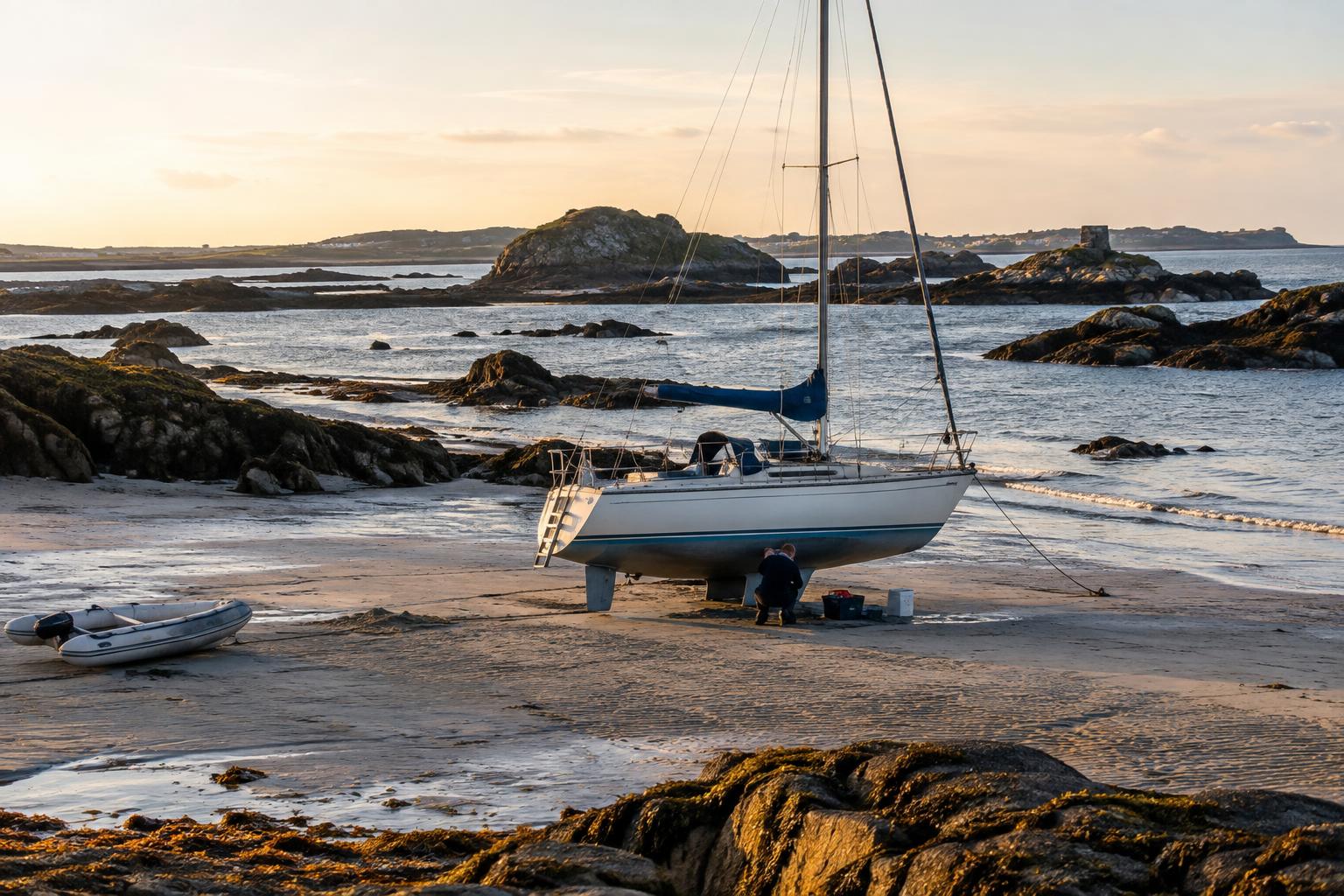
Scilly rewards boats that can dry out—but only with the right planning
The Isles of Scilly offer more possibilities for boats with shallow draught, a lifting keel or daggerboards. The key is to read the tide, wind, swell and seabed in the right order.
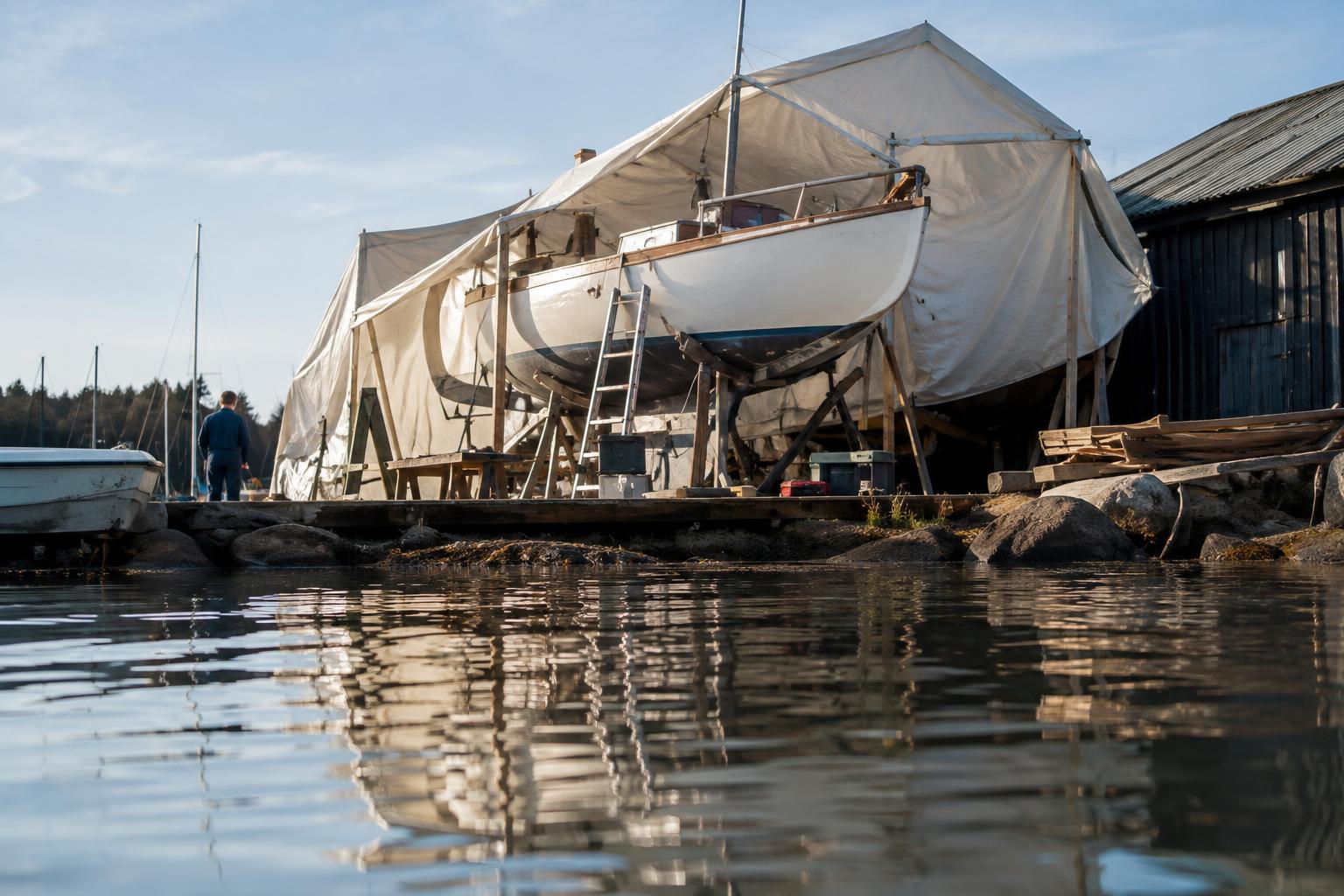
The renovation that made Daniel Östman a better sailor
Daniel Östman bought a Späckhuggare from 1968, rebuilt it from bare hull to sailboat, and came away with greater knowledge and a new perspective on sailing.

Porto Cervo by boat – two harbors, high expectations and the Costa Smeralda
Porto Cervo is more than superyachts. Here’s a guide to Marina Nuova, Porto Vecchio, booking, alternative harbors and excursions along Sardinia’s northeastern coast.