Porto Cervo by boat – two harbors, high expectations and the Costa Smeralda
Porto Cervo is more than superyachts. Here’s a guide to Marina Nuova, Porto Vecchio, booking, alternative harbors and excursions along Sardinia’s northeastern coast.

Porto Cervo is one of the Mediterranean’s best-known names in yachting. In summer, some of the world’s largest private boats are moored here, but it would be a mistake to think the destination is only for superyachts. Even a considerably smaller motorboat or sailboat can use Porto Cervo as a base for exploring the Costa Smeralda—provided you choose the right part of the marina, plan for the cost and don’t let the glamour obscure the practical questions.
The main difference from many other Sardinian harbors is that Porto Cervo is a purpose-built, exclusive holiday resort, with a marina that is part of the experience. People come here to see the boating scene, stroll through the village, enjoy good food and reach a coastline dotted with swimming coves. Those mainly looking for an inexpensive, peaceful guest harbor, however, may get more for their money elsewhere.
Marina Nuova or Porto Vecchio?
Porto Cervo has two main harbor areas. Marina Nuova is the larger, service-oriented facility. Porto Vecchio, the older harbor area, is closer to the village center. Together, they are said to have around 700 berths, about a hundred of them for megayachts, according to the Municipality of Arzachena.
For those who want to take good care of their boat, Marina Nuova is often the logical first choice. The operator lists shore power, water, fuel, showers, laundry service, waste disposal, security and boatyard services, among other facilities. The marina’s service overview gives a better picture than general tourist guides.
Porto Vecchio may be more appealing to those who prioritize walking distance to restaurants and nightlife. But don’t assume that the same types of berths, seasons or arrival procedures apply in both harbor areas. IGY Marinas’ destination page states that the older harbor area is normally open seasonally from June to September. Always confirm the current dates with the harbor.
How to book and what to ask
For bookings and information, you can contact Marina di Porto Cervo at +39 0789 905111 or info@marinadiportocervo.com. The operator also lists a number for the night watch. When you first get in touch, provide your boat’s overall length, beam, draft, preferred dates and shore power requirements.
Be sure to ask for a quote for the harbor area that suits you and check what is included. Porto Cervo is not a destination where an approximate price from an old travel article is enough. Prices can vary considerably by season, boat size and demand, especially during major sailing events. We have not been able to verify a current, general price list covering every type of boat; therefore, request a written total price before confirming.
The harbor states in its service information that maximum depths are up to eight meters, but this is not a guarantee of the depth at every individual berth or at the entrance. That information must be confirmed with the harbor office for the specific berth assigned to you. The same applies to boats with wide hulls, long swim platforms or particular shore power requirements.
The approach: a professional marina, but no shortcut around the charts
Porto Cervo lies on Sardinia’s northeastern coast, where islands, headlands and shallow areas make the coastline beautiful but demanding to navigate. Use up-to-date charts and the harbor’s arrival instructions, especially if you are coming from the north via the waters around La Maddalena.
Arzachena’s official boating information page lists VHF channel 9 for harbor assistance. IGY’s marina overview also gives other channels. The safest approach is to follow the channel specified by the harbor in your booking confirmation and call well before entering.
Traffic is busy in summer: large yachts, tenders, charter boats and smaller pleasure craft share the water. A well-planned daytime arrival gives you more leeway than sailing in late at night after a long passage. Also take wind and swell into account when deciding whether to continue to the next cove or look for a berth.
Another harbor may be a better choice
It’s wise to compare Porto Cervo with nearby alternatives before setting off. Arzachena’s tourism authority lists several harbors in the area, along with contact details.
Poltu Quatu, west of Porto Cervo, is an option for those who want to berth in a more secluded cove with a marina setting. Cala Bitta at Baja Sardinia may suit other boat sizes and itineraries. Cannigione, farther into the Gulf of Arzachena, offers a different base for exploring the coast. None of these should be treated as a guaranteed inexpensive alternative—compare prices, availability, protection from the weather and distance to the places you actually want to visit.
One useful way to plan is to book two nights at a practical base marina and spend a day in Porto Cervo, rather than automatically paying for several nights in the most sought-after harbor.
The Costa Smeralda from the water
The real reward lies beyond the quays. The Costa Smeralda is made up of headlands, small islands and beaches where the water shifts from deep blue to turquoise. A day on the boat can be spent on short passages and swimming stops rather than long distances.
But waters close to shore require care. Shallow areas, rocky seabeds, swimming zones and heavy boat traffic mean that a cove that looks open on a satellite image is not necessarily suitable for anchoring. Check local restrictions and environmental regulations, avoid seagrass meadows and keep well clear of swimmers. Special rules apply in protected areas around La Maddalena, and must be checked separately before heading there on an excursion.
There is another side to Porto Cervo for those who enjoy sailing. The Yacht Club Costa Smeralda is a key player in international regattas. A race week can be a fascinating time to visit the area, but it may also affect berth availability and traffic on the water.
What is there to do ashore?
Porto Cervo is made for walking. The village’s central square and lanes are lined with shops, cafés and restaurants. Many visitors come primarily for the atmosphere: sitting at an outdoor table and watching the harbor change from a workplace by day to an evening scene as the boats light up.
Those with children or looking for a quiet swim may get more out of an early excursion along the coast than a full day in the village itself. And if you need to stock up, check where the grocery store and delivery services are in relation to your assigned berth; distances within the harbor area can be greater than they appear on the map.
Is Porto Cervo worth the money?
Yes, if you are looking for a marina with a high level of service, want to experience the international yachting scene or plan to use the place as a starting point for exploring the Costa Smeralda. It is a less obvious choice if your main priorities are peace and a low daily cost.
The best advice is to decide why you want to come here before booking. A single well-planned night can give you the full Porto Cervo experience. If you want to stay longer, it’s worth comparing Marina Nuova, Porto Vecchio and the neighboring harbors. Here, the choice of berth is almost as important as the choice of destination.
More in Destinations & Harbours
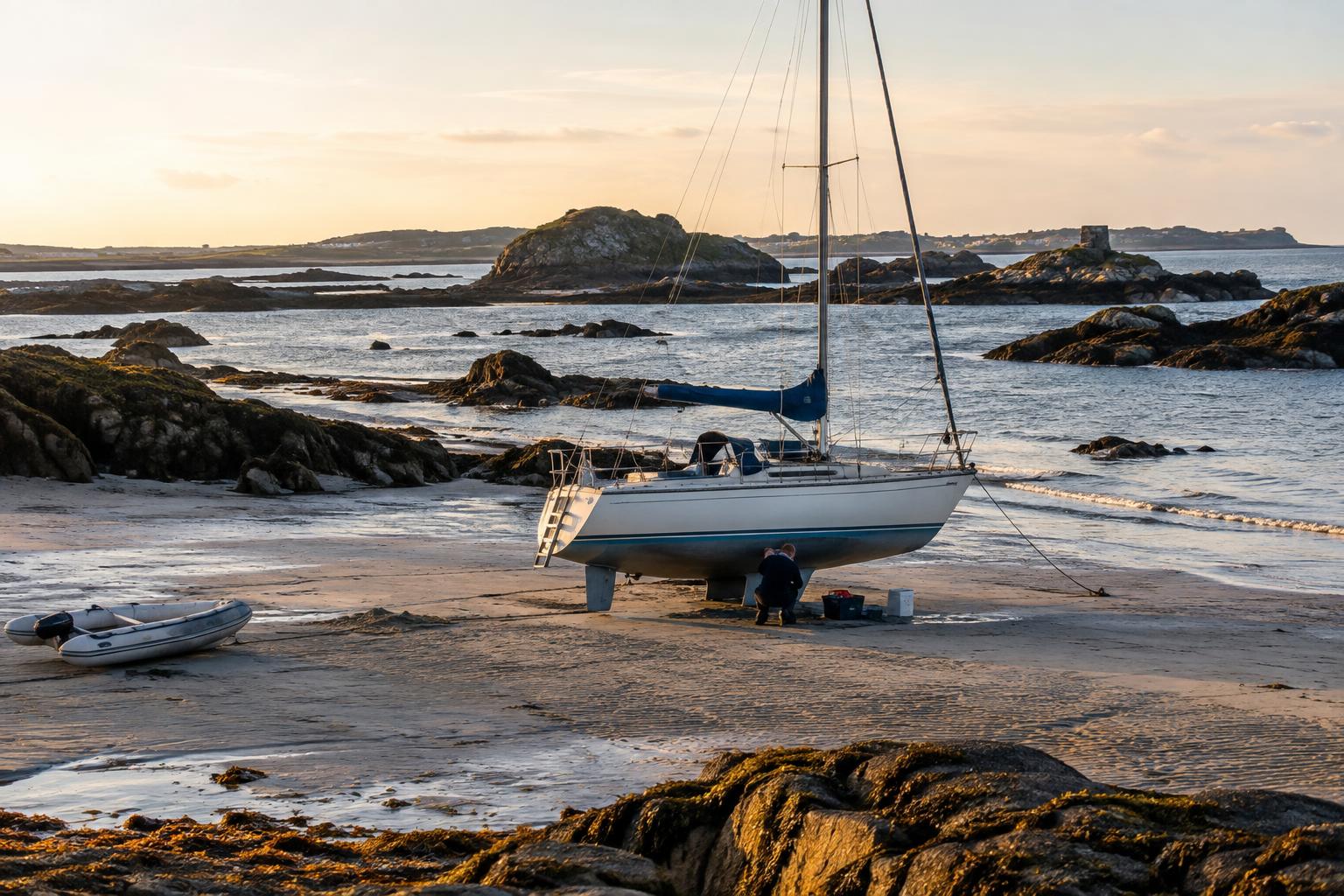
Scilly rewards boats that can dry out—but only with the right planning
The Isles of Scilly offer more possibilities for boats with shallow draught, a lifting keel or daggerboards. The key is to read the tide, wind, swell and seabed in the right order.
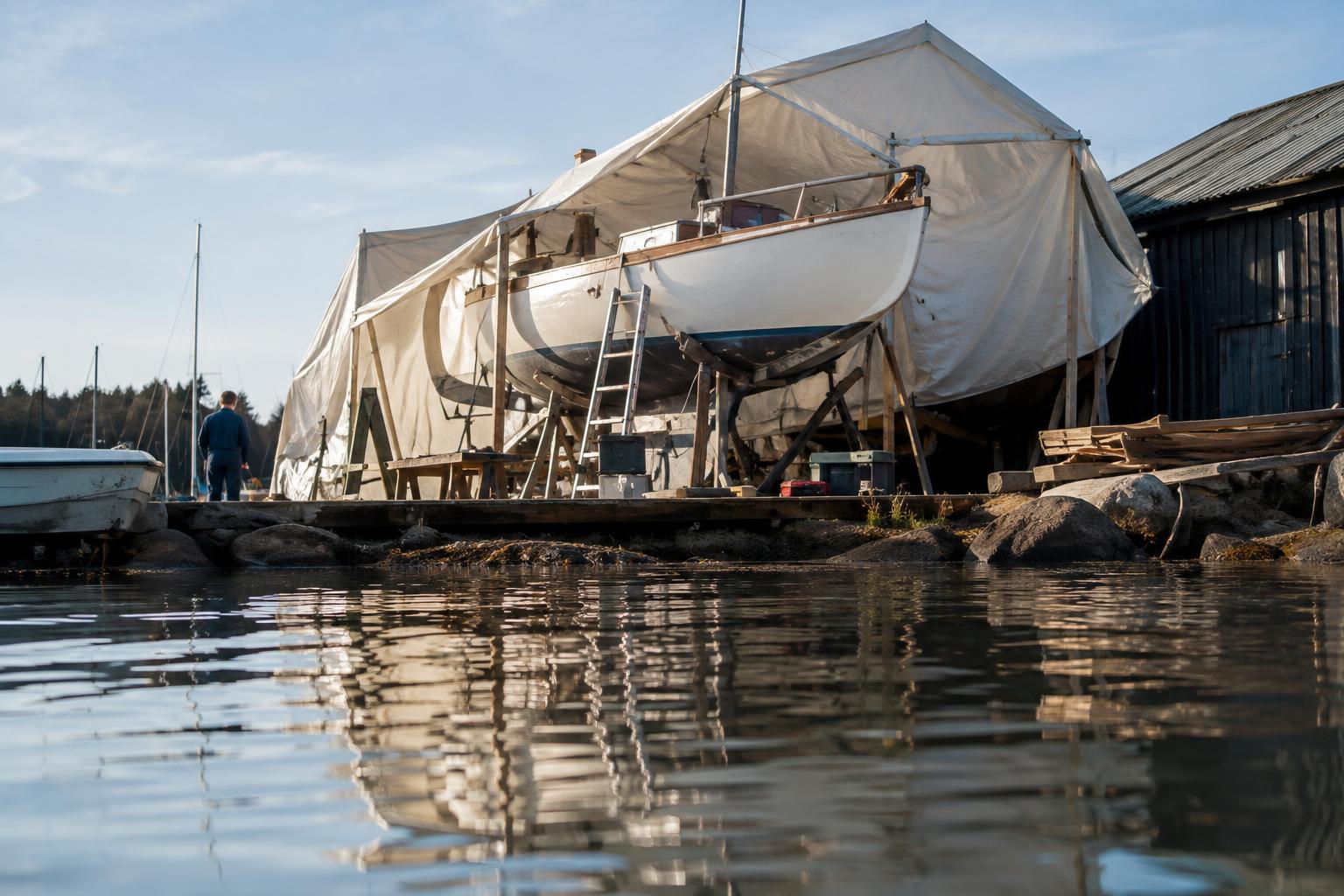
The renovation that made Daniel Östman a better sailor
Daniel Östman bought a Späckhuggare from 1968, rebuilt it from bare hull to sailboat, and came away with greater knowledge and a new perspective on sailing.
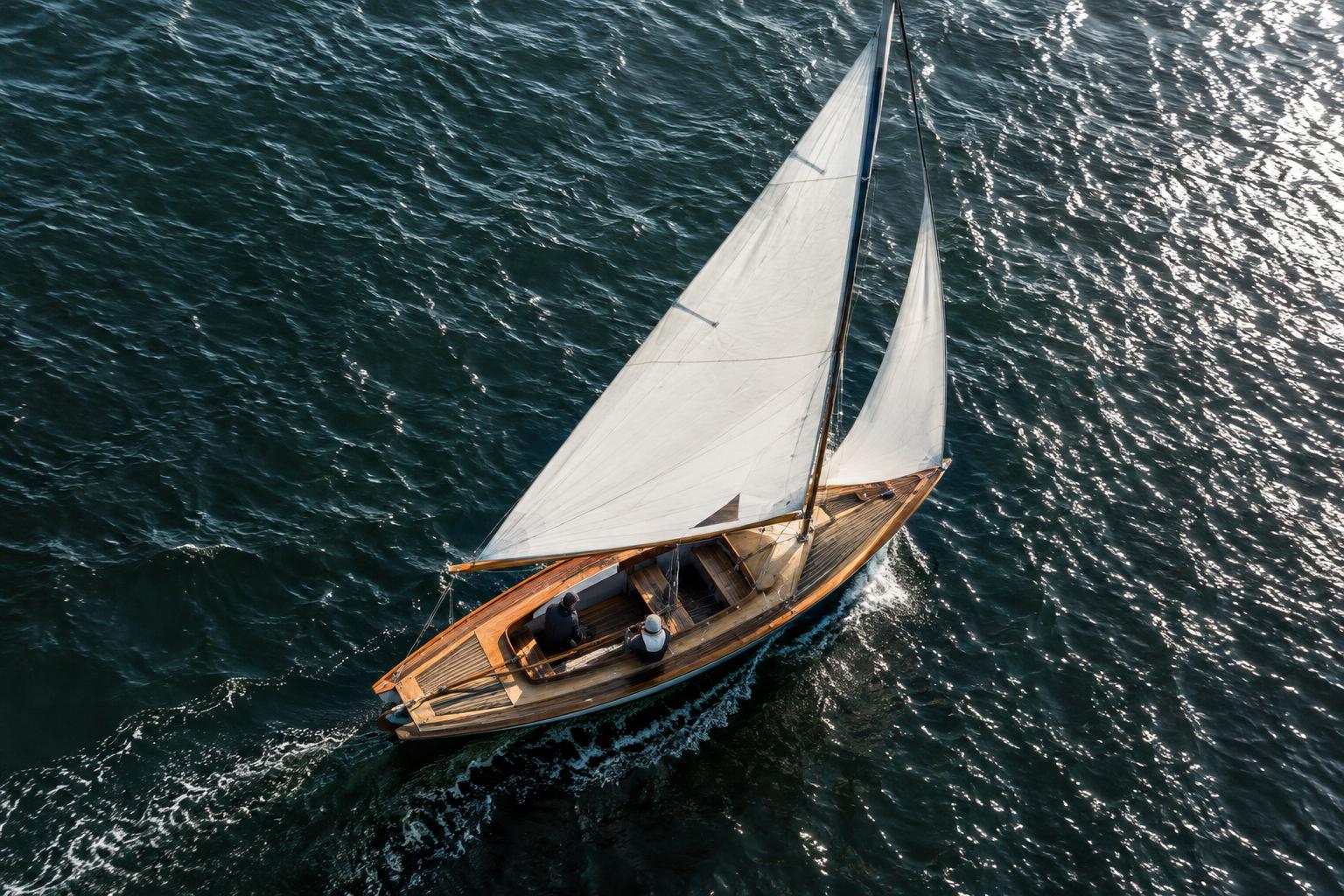
The Folkboat: the Nordic idea that became a classic
From a shared Nordic one-design idea in the late 1930s to the prototype in Gothenburg, the boats built in plastic and a thriving racing scene. The Folkboat has endured through tradition.